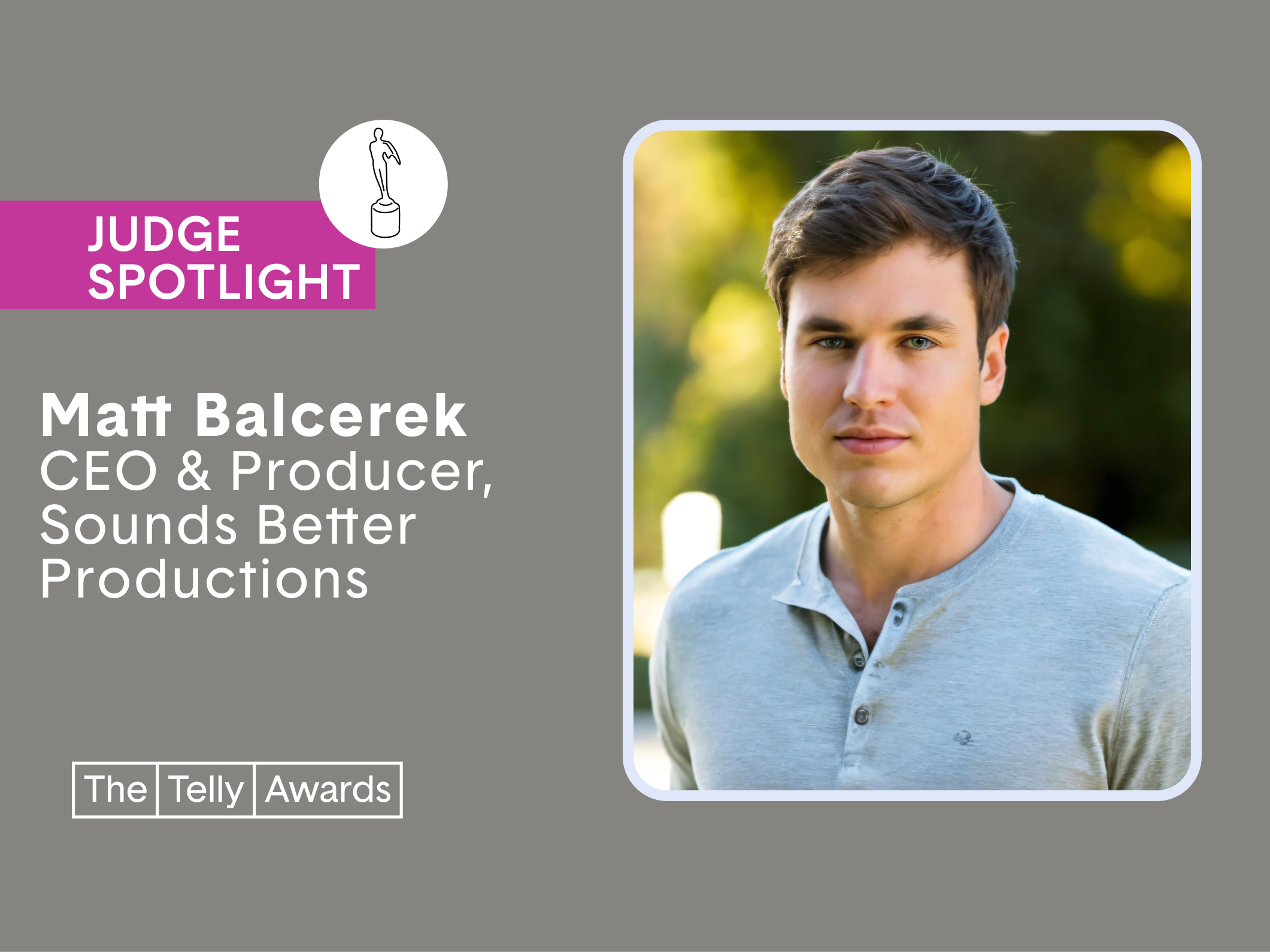
Matt Balcerek is a Forbes 30 Under 30–recognized filmmaker, producer, and showrunner working across narrative, documentary, and unscripted formats. He has built an international career spanning the United Kingdom, Poland, and the United States, with a focus on globally oriented projects that balance creative ambition with strong production execution.
He began his career in European television and live-event production before expanding into film and series development with international production companies and studios. Matt has worked with national broadcasters such as TVN (Warner Bros. Discovery) and collaborated with U.S. and UK–based companies including Unique Features and Act III Productions.
As a director, Matt’s work spans short films, long-form branded content, and experiential projects. A short film he directed qualified for the Academy Awards, and his narrative work has screened internationally. He has also directed and showrun projects featuring artists such as T-Pain.
Matt is the founder of Sounds Better Productions, where he is currently developing feature films and television series focused on character-driven storytelling, mental health, and identity. He holds a degree in business management from London, with additional academic experience in Italy.
How many years have you been a judge?
This is my first year!
What excited you about judging for the Telly Awards?
What excites me most about judging for the Telly Awards is the opportunity to engage with a wide range of storytelling formats and voices across the global video landscape. The Tellys sit at a unique intersection of craft, innovation, and cultural relevance, and I’m drawn to the chance to evaluate work not only on technical excellence, but on clarity of intent and emotional impact. It’s a chance to champion work that pushes form, elevates underrepresented perspectives, and uses the medium with purpose.
What was your first job in the industry? What did it teach you?
My first industry roles were in live events and television production, where I assisted across multiple departments. It taught me humility, adaptability, and how every role, no matter how small, contributes to the final result. It also instilled a deep respect for crews and collaboration.
What project are you most proud to have worked on?
A short film “Sunflower” I directed that qualified for the Academy Awards remains one of the projects I’m most proud of. Not only because it’s a personal story of my grandmother and her experience of the war when she was just a kid, but also because it represents a piece of history that shaped my family and my country. It represents a moment where creative risk, emotional honesty, and collaboration aligned, and it continues to inform the kind of work I want to make moving forward.
What’s the most challenging part about your job and/or the industry?
Sustaining creative integrity while navigating constant change – shifting platforms, timelines, and expectations – is one of the biggest challenges. Balancing speed with thoughtfulness, especially in an attention-driven economy, requires discipline and clarity.
What do you look for to determine excellence in video?
I look for intention first – a clear understanding of what the piece wants to say and why video is the right medium to say it. From there, I consider craft, so direction, pacing, visual language, sound, and performance. But ultimately, excellence is about coherence – when creative choices align seamlessly with message, tone, and audience, creating something that feels both precise and resonant.
What are your current roles and responsibilities and what do you love most about your job?
I work as a filmmaker, producer, and showrunner across narrative, unscripted, and experiential projects. My role often spans development through post-production, including shaping creative vision, leading teams, and collaborating with talent. What I love most is the problem-solving – finding the emotional and structural clarity that allows a project to fully express itself.
What initiatives or projects are you working on now that excite you?
I’m currently developing narrative projects for film and television that explore identity, ambition, and mental health through character-driven storytelling. I’m also working on short-form and experiential projects that experiment with form while remaining emotionally grounded.
Do you have any specific practices you lean on to spark creativity?
I return often to limitations – restricting tools, locations, or time – as a way to sharpen focus. I also find physical movement, especially swimming and running, helps reset my thinking and reconnects me to rhythm and breath.
What inspired you to pursue your career path?
When I was seven years old, my mom took me to a live recording of Dancing With the Stars in Poland, and I instantly fell in love with what happens behind the scenes. Watching how many people worked together to create a single moment on screen sparked my curiosity and set me on the path toward a career in entertainment.
In your experience, what is a significant change you are seeing happen in the video, television, and/or film industry, and what insight can you share about how to navigate it?
The line between traditional and digital media has fully dissolved, placing greater responsibility on creators to be both artists and strategists. Navigating this shift requires clarity of voice, understanding what you want to say, while remaining flexible about how and where it’s expressed. Those who can adapt without losing intention will be best positioned to thrive.