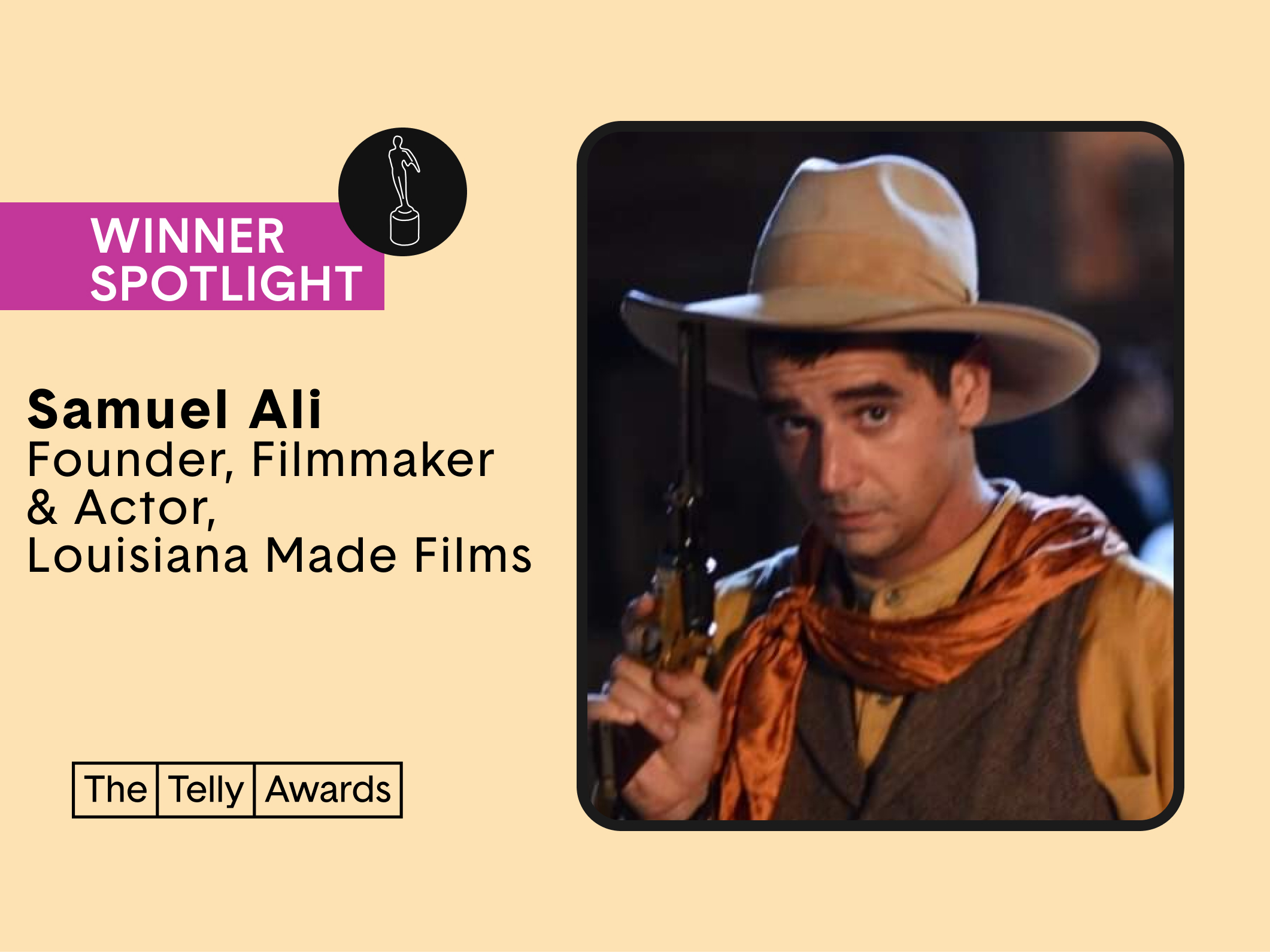
Tell us a bit about your organization and what your specialty is in the film and video space.
A non-profit organization teaching the next generation of filmmakers , hands on, on set, the crafts of filmmaking. We specialize in working with children and animals. Westerns are another thing we specialize in.
What is your organization’s ethos and how does it set you apart from industry competitors?
Our goal is to fill the jobs of tomorrow with locals that were created by extending the film incentives. We want to create films that tell a compelling story or have a positive message for the community.
How can people join or learn more about what you do?
Follow us on social media (Instagram, YouTube, FaceBook) for our upcoming projects and how to get involved.
Tell us about your Telly Award winning piece. What’s the story behind it?
We created a western based on a true story about the first kidnapping for ransom in America.
What are you most proud of about this piece? What was your biggest challenge during production and how did you solve it?
The story of Charley Ross’ abduction is one that needs to be told. We wanted to shoot this in one day at two locations. We needed the wagon at the second location. We had never taken one off site from the western studio before this project.
Do you have any advice to other filmmakers based on your career or your team’s approach to work?
Focus on the story first, then sound, then lighting, then camera. In that order of importance.
Can you share a behind the scenes story or fun fact about the making of your piece?
We had to rig the western wagon to a truck to pull it like a process trailer to get the shots we wanted.

Tell us about the most memorable response you got from this work.
The shock at the end from audiences not realizing it was a story about child abduction.
Complete this sentence: ‘Great video storytelling is…’
… the art of weaving together relatable characters, a compelling conflict, strong visuals, and clear themes to create an emotional connection with the audience, ultimately leading to a satisfying resolution and a lasting impact. It uses cinematic techniques like pacing, sound design, and editing to enhance authenticity, deliver a clear message, and guide viewers through a narrative that resonates with their experiences and emotions.