Tell us a bit about your organization and what your specialty is in the film and video space.
At CSAT TV, we see ourselves as more than just a television channel — we’re a bridge between cultures, generations, and continents.”
Based in Newport Beach, California, we structure our content to give a voice to the Coptic Christian community. But, as our audience has grown and evolved, so have we.
CSAT now offers a wide range of programming in both Arabic and English — from traditional Coptic sermons in Arabic to contemporary talk shows, cooking segments, nature-focused content, and even children’s game shows. We’re proud to reflect the values of honor, integrity, faith, and hope, all while addressing the real issues that affect Arabic Christians around the world, especially the second-generation English-speaking communities here in the West.
What sets us apart is that we offer insight and perspective. We will cover the difficult human rights abuses against the Coptic community, as well as showcase accomplishments and appeal to the very intelligent hard working audiences we tend to attract as our demographic. Whether it’s politics, culture, or faith, our coverage is grounded in the perspective of those who live between two worlds: shaped by the Middle East, and growing in the West.
CSAT.TV streams 24/7, with live broadcasts available live on our website and TV.Garden, and archived shows on our Youtube channel https://www.youtube.com/channel/UCU9GY01030vKxwJEv0J3Y4Q. We are making it easy for all generations to stay connected to their roots while appreciating what USA has given to our community, a safe place to voice our opinions and highlight what we love about America and how to deal with the challenges of everyday life with loving Christian patience, kindness and forgiveness.
Simply put, we are here to share our Christian perspectives— honestly, faithfully, and with purpose.
What is your organization’s ethos and how does it set you apart from industry competitors?
At CSAT TV, our ethos is rooted in faith, truth, and intellectual perspective on world events and topics of interest for the broader Arabic Christian community. What sets us apart is our candid portrayal of world events with both Western (USA) and Middle Eastern Christian perspective to nurture a new generation of Arabic Christian Americans with content that reflects their bicultural identity and is both intellectually stimulating, as well as entertaining.
We want to provide insight, uplift, educate, and showcase ethical values to reinforce that we should take good care of where we live and to show respect to our neighbors who may not always believe in God the way we do. CSAT is Media with a Mission for Messaging.
How can people join or learn more about what you do?
Explore our programming anytime at CSAT.TV or go to TV.Garden and look for United States of America, then CSAT or go to Youtube.
Tell us about your Telly Award winning piece. What’s the story behind it?
The Bond (with nature) originally was a concept to highlight how we can make the world a better place. Our development of this program actually started from wanting to address the over population at Humane Shelters. But after we visited the dogs and cats and other animals in need of adoption, we saw an even bigger passion that needed to be bottled and shared with our audiences.
We wanted to give a platform to various people who made an effort to make the world a better place. It could be developing a new fuel to help jets fly with reduced pollution. It could be setting up a sanctuary for birds of prey who needed to be rehabilitated before soaring in the blue skies, once again. It could be the home builders who leveraged technology to build homes faster and more resistant to natural disasters and for less money after the Los Angeles Fires, or it could be showing the behind the scenes of the making of a new movie, being made on a budget, to highlight an important event about modern day martyrs in the Coptic Christian Faith (a story from 2015).
The Bond, is not only helping our audiences bond with nature, but bond with the best versions of themselves by showcasing these incredible people to inspire our audience to follow that inspirational person they saw interviewed and also do what they can to make the world a better place.
We are now discussing plans to interview internationally…but we have a ways to go before that can happen.
Playlist https://www.youtube.com/playlist?list=PLoP-LmqvcH7czvq58SM9_mUgNm7mEliTd
What are you most proud of about this piece? What was your biggest challenge during production and how did you solve it?
It is always so encouraging to learn that viewers outside the Arabic Coptic community connected with the topics covered in The Bond. We were thrilled to learn that it appealed to various age ranges and economic levels. We were encouraged that the guests actually said they had fun during the shoots and most of them offered to do a follow up whenever we wanted to cover it. We are happy we gave a platform to the people who are our everyday heroes to really explain why they were passionate about their expertise. We were happy that there is no other show quite like it. Such an impact is rare — and it’s exactly what we hoped to achieve.
Our challenge was getting the right type of guest. More people wanted to be on the show than what fit in our theme, but we tried to remain true to our rule “How are you making the world better?”
Do you have any advice to other filmmakers based on your career or your team’s approach to work?
Focus on your purpose: How do you want the audience to react after seeing your finished work? Then start with that ending in mind.
Can you share a behind the scenes story or fun fact about the making of your piece?
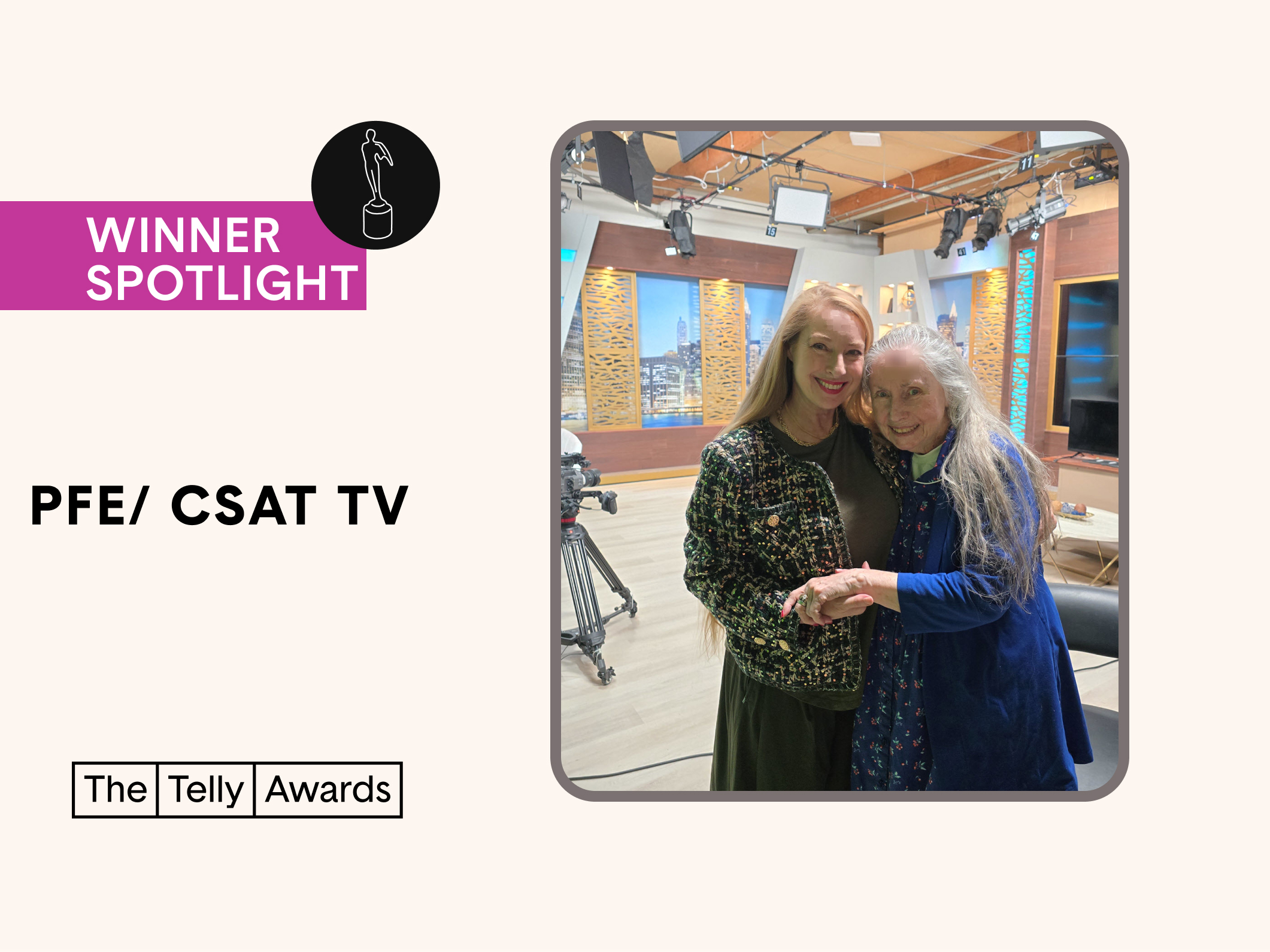
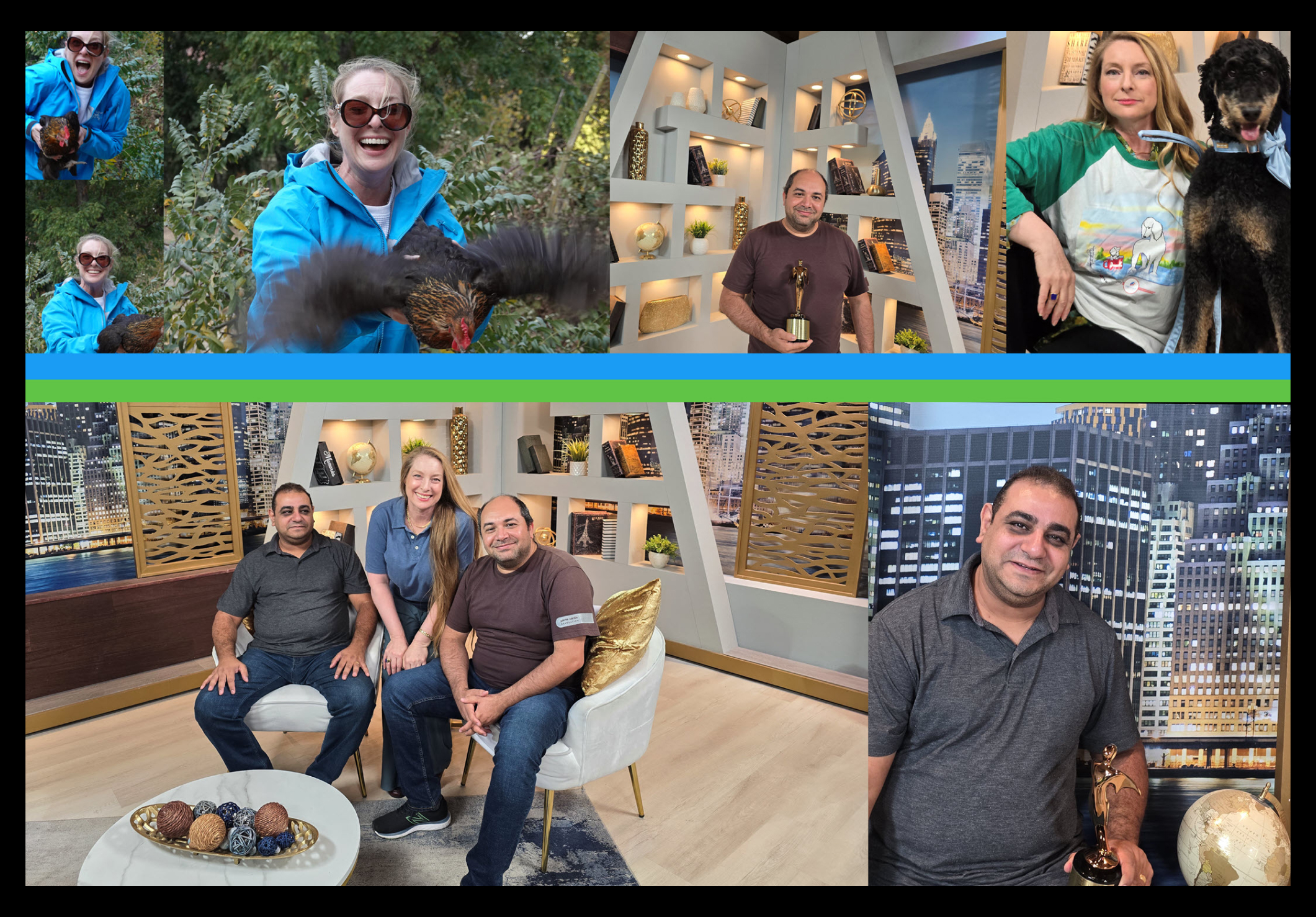
The host of The Bond was selected because Jo Bond did her own research and was proactive about wanting to make the show about the guest and not about her. What she kept to herself was that she was also taking care of her aging parents. One day her mother and father came to set.
Now, her mother was very active in trying to use media to awakening people to do the right thing and be better. She collaborated with an oil company to create films called “I Want To Be…” which encouraged girls to get into non traditional professions, such as engineering, economics, etc. This was before STEM (Science, Technology, Engineering, Math) was formalized. This was around the time when women were just getting the legal right to get their own credit cards, and other forms of credit, without a male co-signer (1974 with the passage of the Equal Credit Opportunity Act (ECOA)). When she was younger, she worked on The Christophers and one day was interviewed in front of the camera to explain how valuable being a teacher was. Her name then was Susan Martin.
So, when she came to visit everybody on the set, she was not familiar with the equipment, teleprompters, and all the new modernizations because after that TV show she did, in fact, go into teaching to make the world a better place. And her daughter ended up also working with a Christian TV channel to convey the message that everybody can do one small thing to make the world better and more welcoming for others.
Her mother is frail, now, so the entire staff was so happy that she was able to visit the set and could see an episode or two in progress.
Tell us about the most memorable response you got from this work.
We understand that there are a lot of assumptions people make — about culture, background, or even faith. Most assume if you are Arabic, you are Muslim. Most would assume that everybody at the station would be Arabic. In reality, neither is the case. Most of us are Christian, but we hire based on quality and skill set. This means that we have a bit of diversity on staff.
We hope to encourage viewers to look past stereotypes and judge individuals by their character and actions, not assumptions….other than assuming that every person on staff in front of the camera, as well as behind the camera will act with polite integrity.
I’ll never forget one moment that really stuck with us — and made us laugh, too. This was after filming with a guest who had to reschedule several times. After the episode, the guest confessed they had much more fun than they had expected. What did they expect? They were frank and shared that with all the Arabic employees, they were concerned that the staff wanted to kidnap them.
“Um…No… we just want to interview you. We invited you on the show because we like how you are doing what you can to make your world a better place.”
The humor helped lighten the moment, but it was also a reminder of something deeper: not everyone at the station has Arabic roots, but we all know what it feels like to be misunderstood or misjudged. It’s why we’re so passionate about creating content that opens hearts and minds — and encourages people to lead with curiosity and kindness, not fear.
Complete this sentence: ‘Great video storytelling is…’
… the art of honoring truth while presenting topics to which the audience can relate.