Tell us a bit about your organization and what your specialty is in the film and video space.
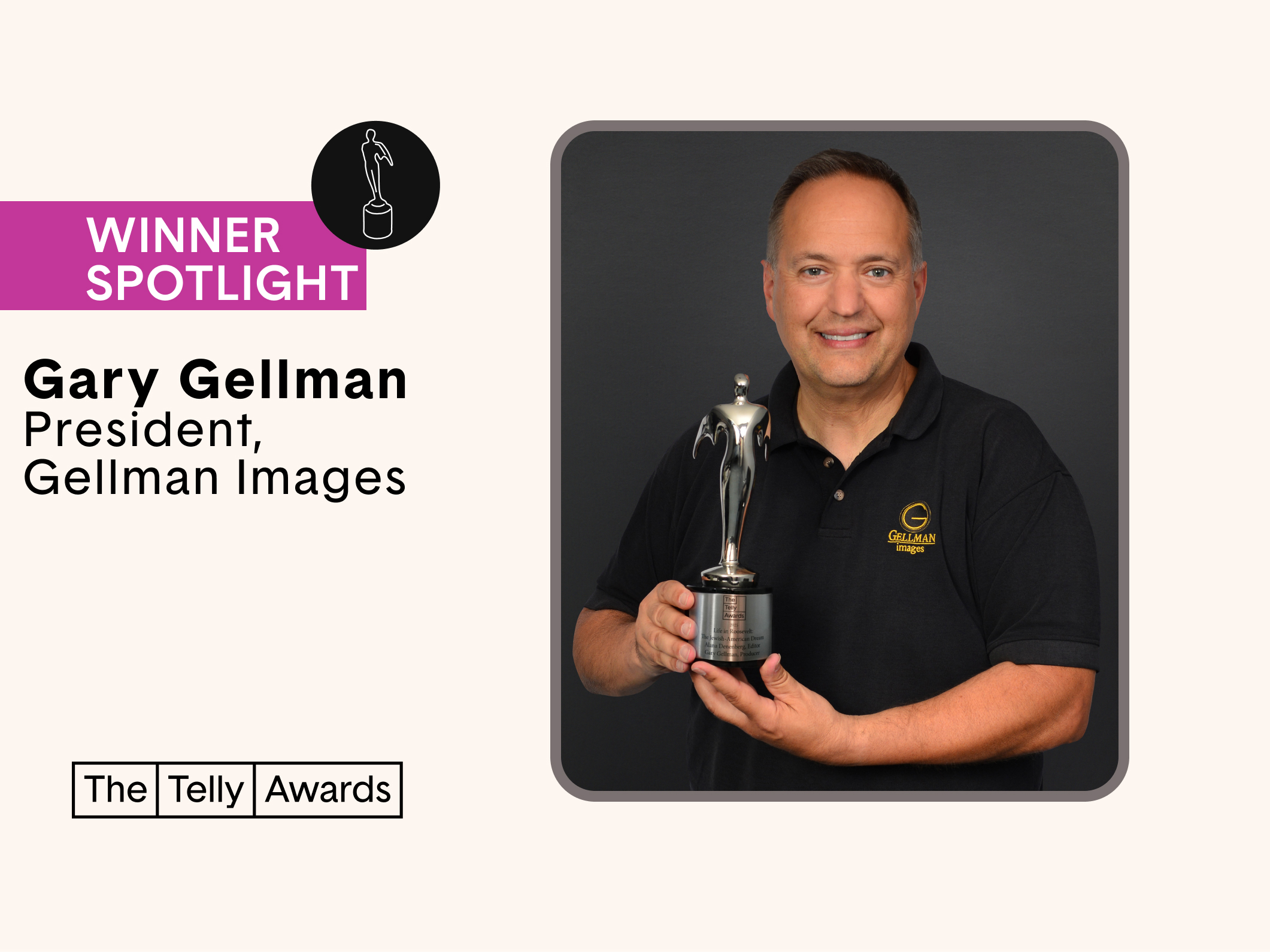
Gellman Images is a multimedia production company specializing in video production, professional photography and creative marketing services throughout New Jersey and beyond since it’s founding by Gary Gellman over 36 years ago.
For over 17 years, Gellman Images has been the official imagemaker for the NJ Hall of Fame – covering everything from red carpet induction ceremonies, to installation at airports, to biographical features. Gary has also been featured nationally over 500 times in newspapers and magazines, as well as countless radio and television appearances.
Gellman Images’ work has been featured in the New Jersey Hall of Fame, New Jersey State Museum, The US Senate Gallery, The Rock and Roll Museum, Pro Football Hall of Fame and The Vatican.
What is your organization’s ethos and how does it set you apart from industry competitors?
Our 36 years of experience ensures that we provide the highest quality of work that always exceeds expectations and produces a seamless final product.
How can people join or learn more about what you do?
You can visit our website at www.gellmanimages.com. To learn more about the Jewish Heritage Museum of Monmouth County you can visit their website at www.jhmomc.org.
Tell us about your Telly Award winning piece. What’s the story behind it?
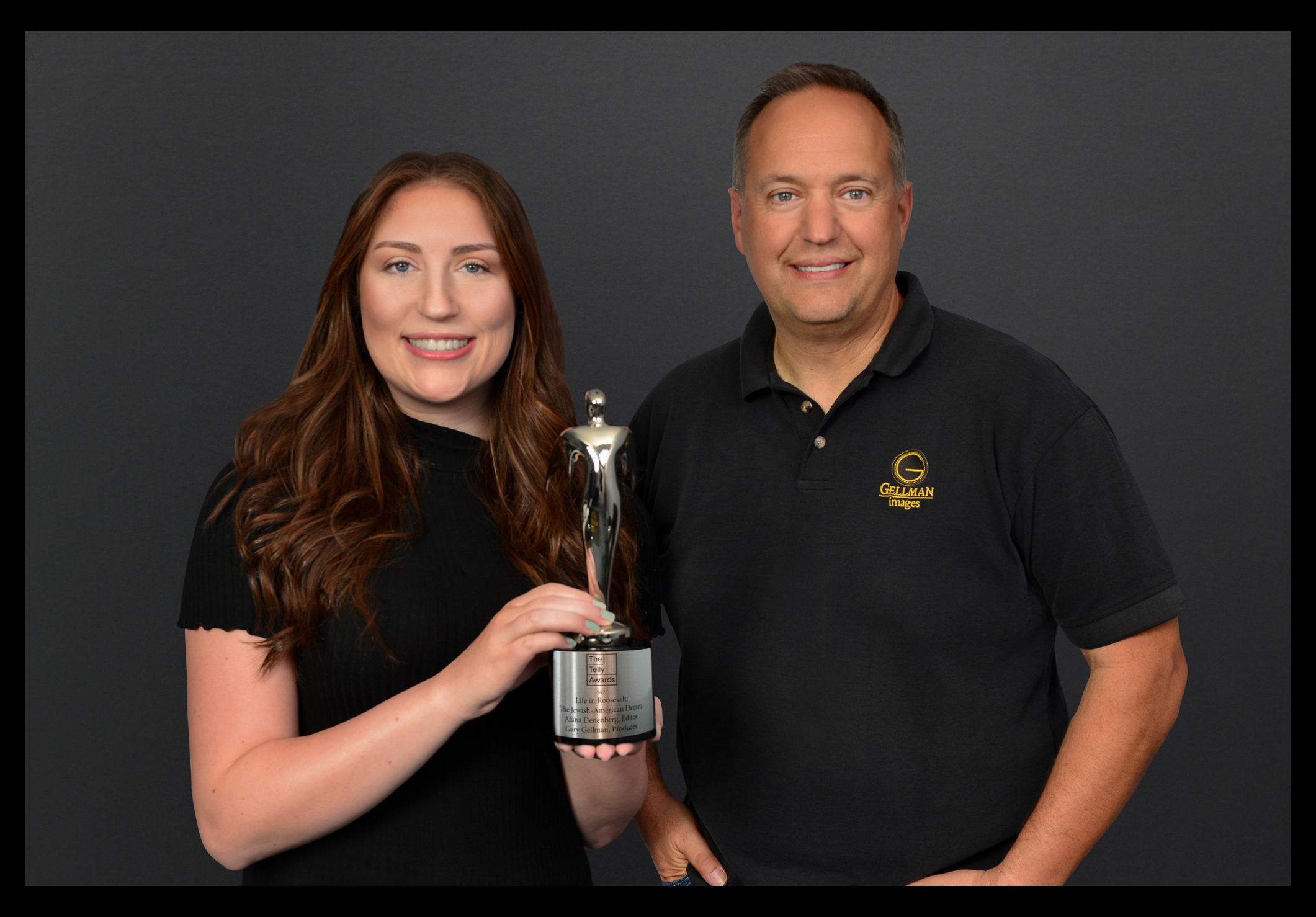
Our documentary, “Life in Roosevelt: A Tapestry of the Jewish-American Dream,” features footage of two monumental historical figures, touches upon the history of Jewish immigrants, urban agriculture, and race relations between the Jewish and Black communities in Monmouth County, New Jersey.
The Jewish Heritage Museum of Monmouth County reached out to us to produce an oral history documentary of Roosevelt, New Jersey, as it has a rich history, with little information publicly available.
Can you share a behind the scenes story or fun fact about the making of your piece?
Towards the completion of the production, one of our participants remembered that she had an old VHS tape with content relating to Roosevelt, but wasn’t sure if it was anything usable. When reviewing the tape, we uncovered not only footage of Albert Einstein walking amongst the residents of Roosevelt, but also a speech that Eleanor Roosevelt gave when she visited the town in 1962. When we first heard about Eleanor Roosevelt’s appearance in Roosevelt, we searched numerous databases and reached out to The Roosevelt Museum in New York. No one had audio or a transcription of her speech. The footage on the VHS tape provided us with both a visual and audio recording of her speech, which we later gave to The Roosevelt Museum, on behalf of the Jewish Heritage Museum of Monmouth County. Her visit to Roosevelt also marked one of her last public appearances before her passing a few months later.
Tell us about the most memorable response you got from this work.
One of the residents reached out to us after a screening, expressing how much she wished her family could watch this film, as it was a wonderful surprise to see her and her family represented in the documentary.
Complete this sentence: ‘Great video storytelling is…’
… clean, succinct imagery with audio that aligns with emotions.