
Tell us a bit about your organization and what your specialty is in the film and video space.
Think Less Studios is a creative and production company based in Salt Lake City. We specialize in character-driven documentaries and branded films that sit at the intersection of culture and purpose. From global brands to grassroots communities, our focus is always on telling human stories that resonate emotionally and inspire action.
What is your organization’s ethos and how does it set you apart from industry competitors?
Our ethos is simple: Think Less, Do More. To us, it means getting out of our own way and putting the focus where it belongs—on the story, the people, and the impact. We don’t overcomplicate or chase trends. We move quickly, with authenticity and purpose, to create work that connects on a human level. That clarity of focus sets us apart: every project is built to move people, not just impress them.
How can people join or learn more about what you do?
You can learn more about our work at thinkless.com or follow us on Instagram [@thinkless.studios]. Whether you’re a brand, a network, or someone with a story to tell, we’re always excited to collaborate on work that matters.
Tell us about your Telly Award winning piece. What’s the story behind it?
Our winning film, Call to Serve, was created in partnership with Ford Motor Company and Team Rubicon. It follows Dean Wagner, a former Army combat engineer haunted by two tours in Iraq, as he redeploys to the aftermath of Hurricane Helene—not as a soldier, but as a volunteer. In helping rebuild homes alongside fellow veterans, Dean begins to rebuild himself. At its core, the film is about service as a path to healing, and the universal human need for purpose and community.
(Trailer releases in November)
What are you most proud of about this piece? What was your biggest challenge during production and how did you solve it?
We’re most proud of the honesty Dean brought to the film. His willingness to be vulnerable made the story resonate far beyond its runtime. Our biggest challenge was balancing the urgency of filming during an active disaster recovery while keeping our crew small, nimble, and respectful of the communities we entered. We solved it by embedding ourselves directly with Team Rubicon and letting service, not cameras, lead the way.
Do you have any advice to other filmmakers based on your career or your team’s approach to work?
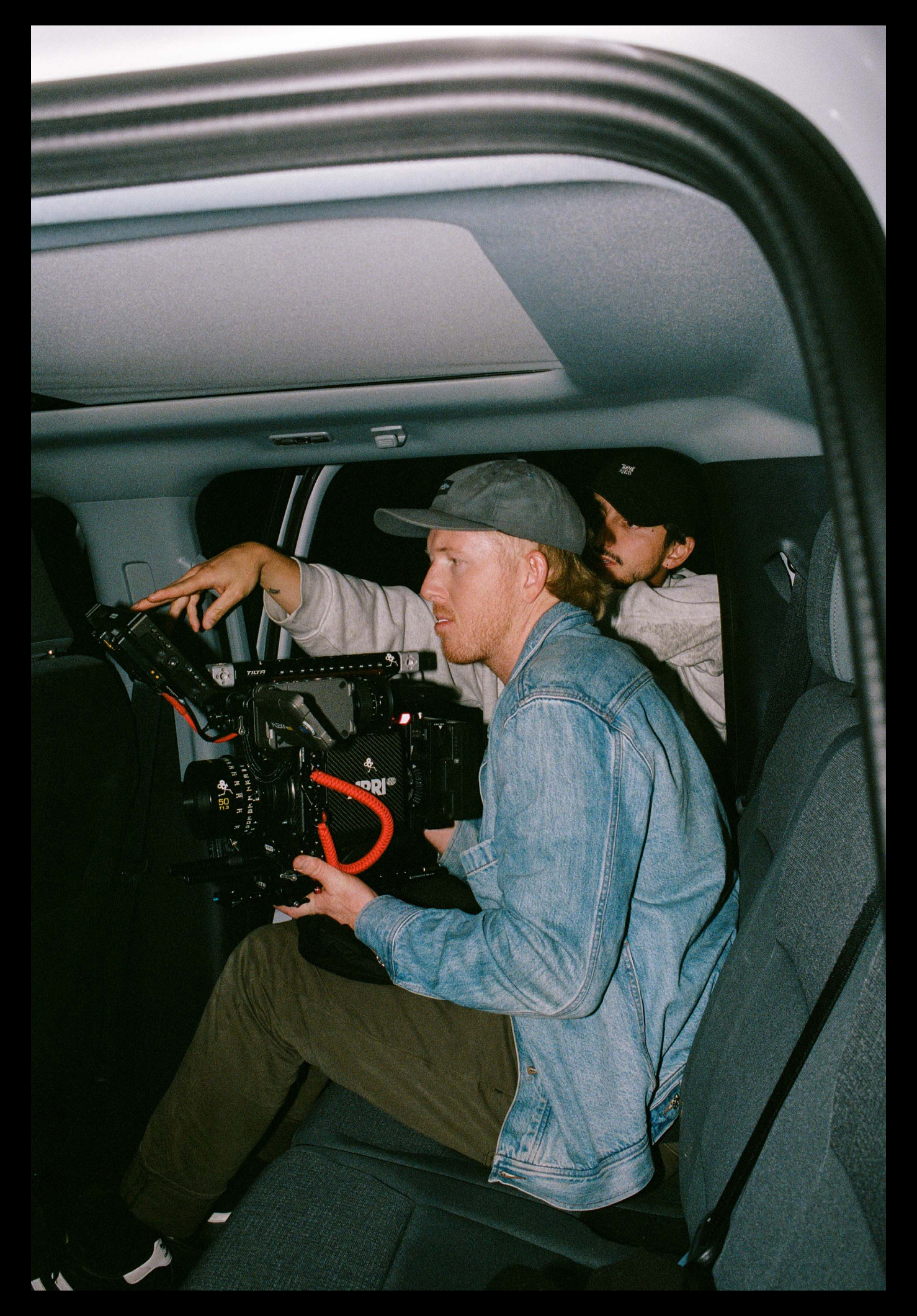
Stay relentlessly human. The industry moves fast, trends come and go, but authenticity always lasts. Lean into curiosity, keep your crews small and agile when possible, and remember that your responsibility is not just to tell a story, but to honor the people who trust you with theirs
Can you share a behind the scenes story or fun fact about the making of your piece?
One of the most powerful behind-the-scenes moments came when Dean’s wife, Ginna, joined him on-site with Team Rubicon. We weren’t sure how she would feel being filmed in such an intimate setting, but her perspective grounded the entire film. Through her eyes, we captured not just the cost of war for veterans, but for the families who stand beside them.
Tell us about the most memorable response you got from this work.
Premiering at Tribeca X was unforgettable. Seeing Dean in the audience—watching his own story on the big screen—was profoundly moving. Audience members came up to him in tears, sharing how much his journey mirrored their own struggles with identity and purpose. That moment reminded us why we make films: to help people feel less alone.
Complete this sentence: ‘Great video storytelling is…’
… truth well told- crafted with empathy, urgency, and purpose.