Tell us a bit about your organization and what your specialty is in the film and video space.
Bridge Frequency Studios is more than just a music production house—it’s a neurodiversity-centered creative space that blends audio and visual storytelling to amplify unheard voices. Our specialty lies in integrating immersive soundscapes with purpose-driven film, especially in the realm of social impact. Whether it’s composing a cinematic score, producing a music-based short film, or documenting real-life narratives from marginalized communities, everything we do is grounded in empathy and inclusion.
What is your organization’s ethos and how does it set you apart from industry competitors?
Our ethos is simple: “Sound is a bridge.” We believe in the power of music and film to connect worlds, especially for those who often feel misunderstood or unseen, like individuals with autism, ADHD, or other neurodivergent experiences. What sets us apart is our commitment to crafting sensory-rich experiences that are not just heard or seen, but felt. We work closely with neurodivergent communities to ensure authentic representation and accessibility in every project.
How can people join or learn more about what you do?
You can follow my work and ongoing projects through @chrisreddingmusic on all major platforms. To learn more or get involved in our music and advocacy efforts, visit our website. Whether you’re a parent, a fellow creative, or someone just discovering the power of neurodivergent storytelling, there’s a space for you here.
Tell us about your Telly Award winning piece. What’s the story behind it?
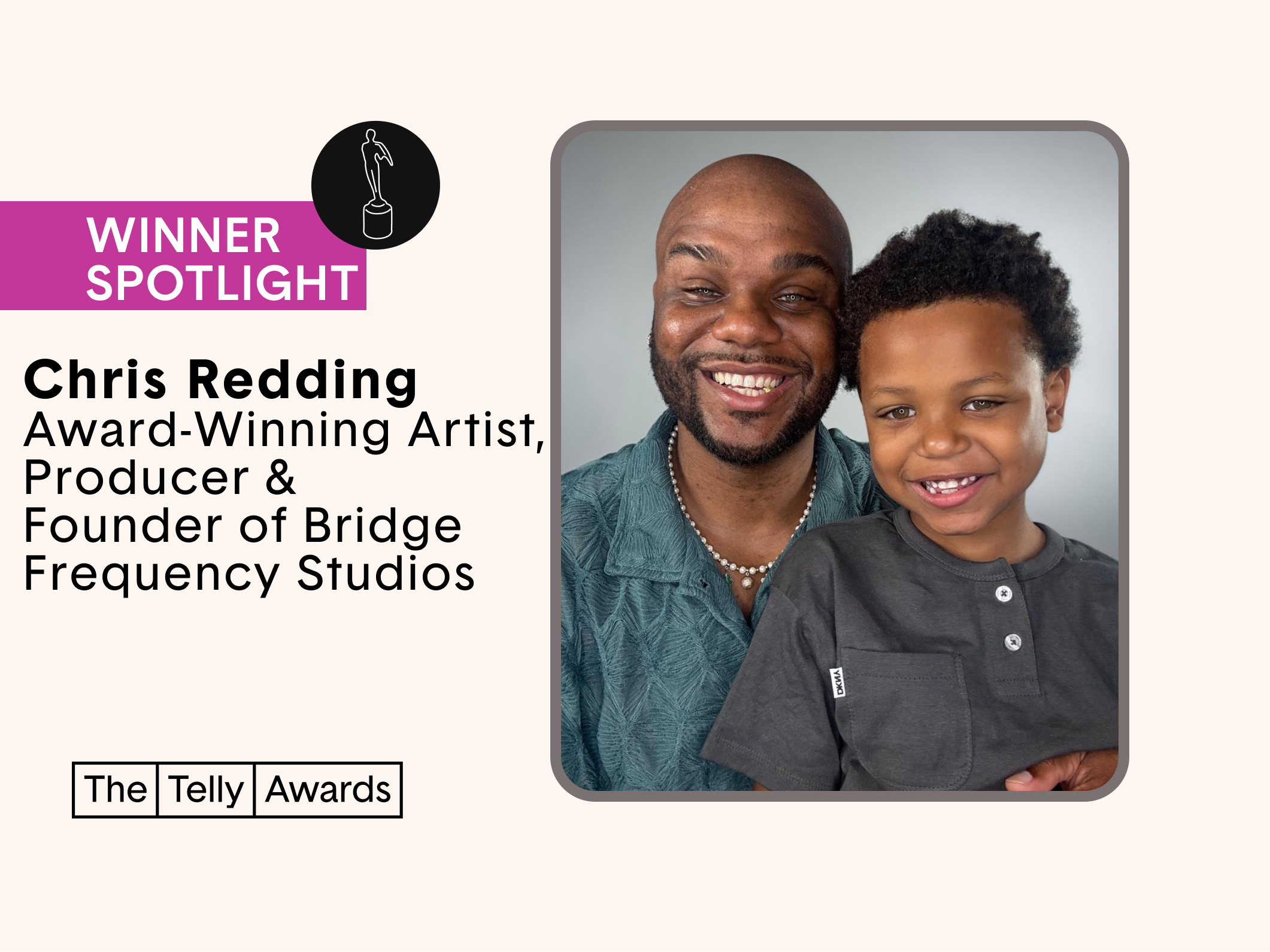
Our Telly-winning piece, Liberation, is a deeply personal music documentary that chronicles my journey as a father to my nonverbal autistic son, Christian. It weaves together original music, candid interviews, and artistic visuals to explore the emotional and often isolating experience of parenting a child who communicates differently. More than just a film, Liberation is a love letter—to my son, to parents like me, and to anyone searching for hope and connection in the face of silence.
What are you most proud of about this piece? What was your biggest challenge during production and how did you solve it?
I’m most proud that Liberation didn’t just tell my story, it became a collective voice for countless families navigating similar journeys. The biggest challenge was balancing emotional authenticity with respectful storytelling. We didn’t want to sensationalize neurodivergence, but instead offer a real, human lens. To do that, we partnered with neurodiverse creatives in every stage—from script input to final edit, which ensured the story remained honest and inclusive.
Do you have any advice to other filmmakers based on your career or your team’s approach to work?
Don’t chase trends, chase truth. The most impactful stories aren’t always flashy. Sometimes they’re quiet, raw, and deeply personal. Let those be the stories you tell. Also, if you’re working on projects involving marginalized communities, collaborate with them, not just about them. Authenticity can’t be faked.
Can you share a behind the scenes story or fun fact about the making of your piece?
One of the most emotional moments happened off-camera. During a break in filming, I was playing a rough version of the title track Liberation in the studio. My son, who rarely reacts to music, started humming along with the ambient chords. It was completely spontaneous and unscripted, but that small moment of resonance between us became the emotional heartbeat of the film, and actually inspired a revision of the score.
Tell us about the most memorable response you got from this work.
A mother from Argentina messaged me after watching the film at a local screening. She said it was the first time she felt “seen” in media as a parent of a nonverbal child. Her message read: “For the first time, I didn’t feel alone in the silence.” That hit me hard. It reminded me why I do this—and that art, when rooted in truth, really can reach across borders and hearts.
Complete this sentence: ‘Great video storytelling is…’
… an invitation to empathy, it brings people into worlds they’ve never lived, but suddenly understand.