How many years have you been a judge?
This is my first year!
What excited you about judging for the Telly Awards?
It’s always energising to see the craft, experimentation and thought behind great work – so I’m excited to play a small role in recognising that.
What was your first job in the industry? What did it teach you?
I got my first job because I noticed a major media owner had plagiarised my work, so I wrote to them and told them they owed me a job, or at least some credit. It worked – and taught me this career was going to require some persistence and the ability to stand my ground. In the creative world, there’s often no clearly defined career path and the next step up is never guaranteed, so you have to find and create your own opportunities – and work hard to make sure you’re qualified for them.
What do you look for to determine excellence in video?
For me, excellence in video comes down to clarity of purpose and strength of execution. The best work has a clear idea at its core and delivers it in a way that feels intentional across every element: story, pacing, visuals and sound. I look for pieces that not only demonstrate craft, but also create a genuine emotional or intellectual impact and stay with you after watching.
What are your current roles and responsibilities and what do you love most about your job?
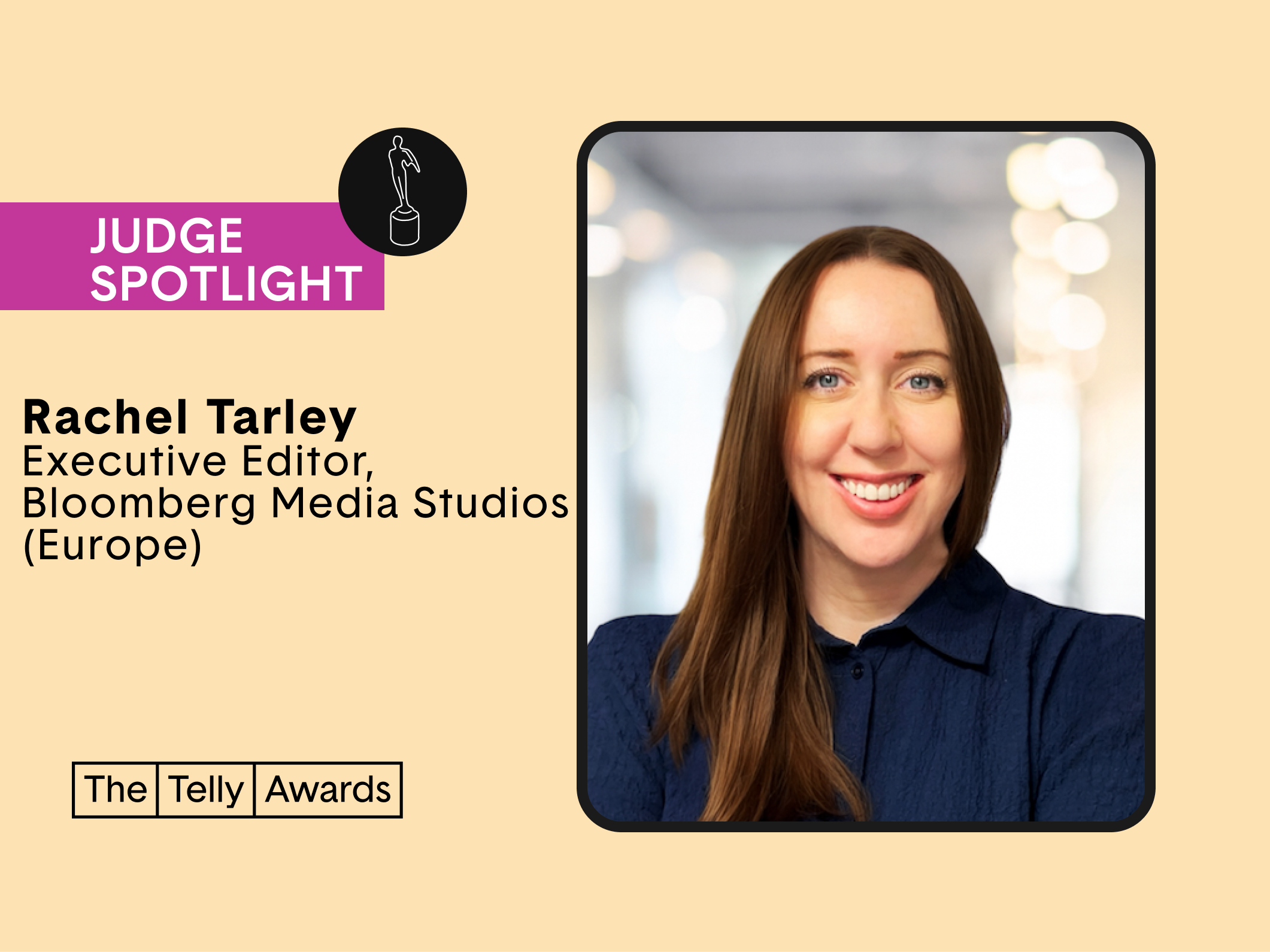
At Bloomberg Media Studios, I’m responsible for shaping and delivering branded content that’s both creatively distinctive and strategically effective. That includes developing creative ideas, guiding storytelling approaches and overseeing execution from concept through to final delivery. What I enjoy most is the challenge of turning complex or nuanced topics into engaging, high-quality storytelling that feels as compelling as any editorial piece.
What initiatives or projects are you working on now that excite you?
One of the things we’re proudest of at Bloomberg Media Studios is our ability to push technological boundaries in our video production – we’ve executed some really ambitious virtual production projects in the past, for example. And right now we’re working on some super cool stuff that takes projection mapping to another level by leveraging technology that allows for real-time design interactivity.
Do you have any specific practices you lean on to spark creativity?
Group brainstorms are great, research is important and sitting down to focus serves its purpose – but more often that not, I still find my best ideas come to me in the shower. Sometimes your brain just needs that downtime to meander a bit and come up with a brilliant idea.
In your experience, what is a significant change you are seeing happen in the video, television, and/or film industry, and what insight can you share about how to navigate it?
One of the most significant shifts is the fragmentation of audiences and the way content is now consumed across multiple platforms and formats. The traditional boundaries between television, digital and social have blurred, which means creators and brands have to think far more holistically about how stories are developed and distributed. The key to navigating this is to stay focused on the core idea. If the storytelling is strong and adaptable, it can travel across platforms without losing impact.