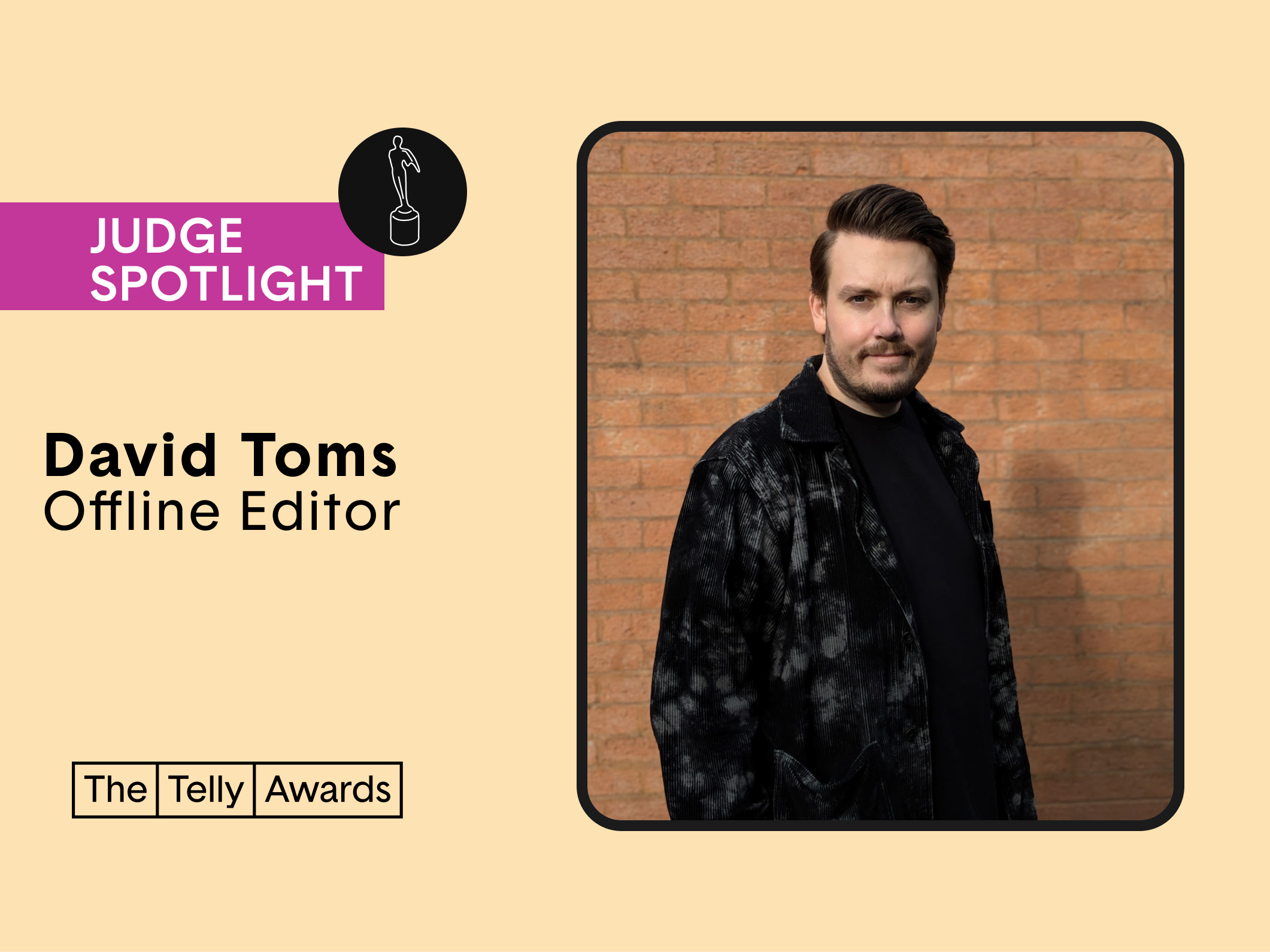
I’m a UK based, offline editor with over a decade of experience working across a range of documentary styles. My credits include science, history, reality procedural, and host-driven factual for major broadcasters in the UK and around the world.
How many years have you been a judge?
1-3 years
What excited you about judging for the Telly Awards?
The variety of work I get to see is what excites me most. Judging allows me to experience storytelling from around the world, across genres and formats that I might not normally encounter as a UK-based editor. It is a reminder of how wide the creative field really is and how many different ways there are to move an audience.
What was your first job in the industry? What did it teach you?
My first experience in television was as a runner on a touring music magazine show when I was 17. It was long hours and hard work, but I loved every minute of it and knew immediately that I wanted to build a career in production. I didn’t return to TV properly until my mid-twenties, first working as a data wrangler and location runner on a documentary series, then as a researcher, drawing on my background in corporate filming and editing. Those roles led to a position at the BBC as a junior editor and assistant producer, where I began cutting original and reversioned content for some of the channel’s biggest shows. Each step taught me the value of graft, adaptability, and the importance of understanding every part of the production process.
What project are you most proud to have worked on?
Artemis 1: Going Back to the Moon for Discovery US is a project I’m particularly proud of. We built the film around NASA’s first lunar mission in 50 years, cutting in placeholders for the real launch footage and waiting through multiple delays. When the genuine footage finally arrived, it was exhilarating to see the moment unfold and to complete the story we had been building toward for so long.
What’s the most challenging part about your job and/or the industry?
Budgets are tightening across the industry, which has pushed editors to become multi-skilled and take on broader responsibilities. It’s an adapt-or-fall-behind environment, and rates often don’t reflect the growing scope of the role. The challenge is maintaining quality and creative integrity while working within those constraints, whilst also trying to maintain a work-life balance.
What do you look for to determine excellence in video?
Emotional connection and clarity of intent. A strong piece has a clear point of view, purposeful structure, and a rhythm that “feels” right. Technical polish is important, but the real test is whether it moves the audience and communicates its story with honesty and focus.
What are your current roles and responsibilities and what do you love most about your job?
I edit documentary and factual television for broadcasters including BBC, Channel 4, Discovery, and National Geographic, working with producers, creatives, or independently depending on the project or budget. Much of my work is remote, managing narrative development, tone, and structure through to final delivery. I especially enjoy working with music, shaping sequences that feel made for the track and vice versa, even when working within the limits of library music. Finding that balance between story and rhythm is one of my favourite parts of the job.
What initiatives or projects are you working on now that excite you?
I recently completed an archive focused doc marking a century of the Deaflympics, an international competition featuring top level deaf athletes from around the world and recognised by the IOC. It was one of the toughest projects I’ve worked on due to the limited archive material available and low budget, but that made the story even more important to tell. The lack of footage highlighted how little awareness there has been about the Games, and it felt rewarding to help bring that history to light. It should broadcast on UK TV later this year.
Do you have any specific practices you lean on to spark creativity?
I stay inspired by watching a wide range of documentary work, from major streaming series to independent creators on YouTube. I’m interested in how new formats use rhythm and tone to tell stories differently. I also draw inspiration from the media my son (aged 7) watches, as it keeps me aware of changing viewing habits and emerging trends.
What inspired you to pursue your career path?
I’ve always been drawn to both technology and storytelling. I started experimenting with filmmaking in my early teens, later studying media production and screening short films at festivals. While working in factual television at more junior levels, I discovered that editing combined everything I loved: creativity, structure, and problem-solving and I’ve been focused on it ever since. I was very lucky to have the opportunity to bring all of these things together and make a career.
In your experience, what is a significant change you are seeing happen in the video, television, and/or film industry, and what insight can you share about how to navigate it?
One of the biggest changes is how content is now designed to live across multiple platforms rather than a single linear broadcast slot. Teams are expected to think about how stories translate for digital and social audiences as much as for television or streaming. I try to stay adaptable by learning new tools, and understanding the expectations for each platform. Keeping pace with change in media is hard, but with a refresh every now and again, it is possible and doesn’t have to be scary.