Tell us a bit about your organization and what your specialty is in the film and video space.
We are a Black Woman lead productions company focused on redefining Black storytelling through film, TV, and books that dare to imagine more. Our specialty are films that incorporate sci-fi and fantasy elements in a grounded way.
What is your organization’s ethos and how does it set you apart from industry competitors?
II Of Cups Productions is guided by a bold creative ethos: to reimagine Black storytelling through genre, truth, and imagination. We center Black voices in spaces where they’ve long been excluded (sci-fi, fantasy, and comedy) crafting stories that are emotionally rich, boundary-pushing, and culturally rooted. What sets us apart is our commitment to telling stories that challenge expectation and expand representation across film, television, and books.
How can people join or learn more about what you do?
The can visit our website.
Tell us about your Telly Award winning piece. What’s the story behind it?
The Devil Ain’t Pius is a dark comedy about legacy, family secrets, and the cost of keeping up appearances. When Pius Montgomery—a charismatic patriarch and hot sauce mogul—reveals he once made a deal with the Devil, his adult children are forced into a high-stakes competition to determine whose child will pay the price.
The story was inspired by my Liberian father, a man of many secrets—chief among them, the true number of children he had. I imagined what it would be like to be called to his home as an adult, only to have a long-held truth unravel in front of the entire family. From that seed grew a tale of generational trauma wrapped in genre, humor, and chaos.
Beneath the absurdity is a reflection on the way Black families navigate silence, pride, and performance—and what it takes to finally speak the truth.
What are you most proud of about this piece? What was your biggest challenge during production and how did you solve it?
I’m proud of how professional and polished the film looks. My biggest challenging was creating a film that looked as though it were made by a veteran filmmaker on a micro budget.
Do you have any advice to other filmmakers based on your career or your team’s approach to work?
Yes—don’t wait for permission to tell your story. Don’t wait for the perfect budget, the big investor, or someone else’s green light. If you have a story burning inside you, find a way to make it with what you have right now.
So much of filmmaking—especially for those of us from underrepresented communities—requires resourcefulness, resilience, and faith in our own voices. You’ll learn more by doing than by waiting. Start small if you have to, but start. Your vision is valid, and the world needs it.
Can you share a behind the scenes story or fun fact about the making of your piece?
After months of searching, we finally found the perfect location for The Devil Ain’t Pius—a house that matched the tone and grandeur we envisioned. But just one week before filming, we lost it. Suddenly, we had to push production back, which meant losing two cast members who had to be quickly recast.
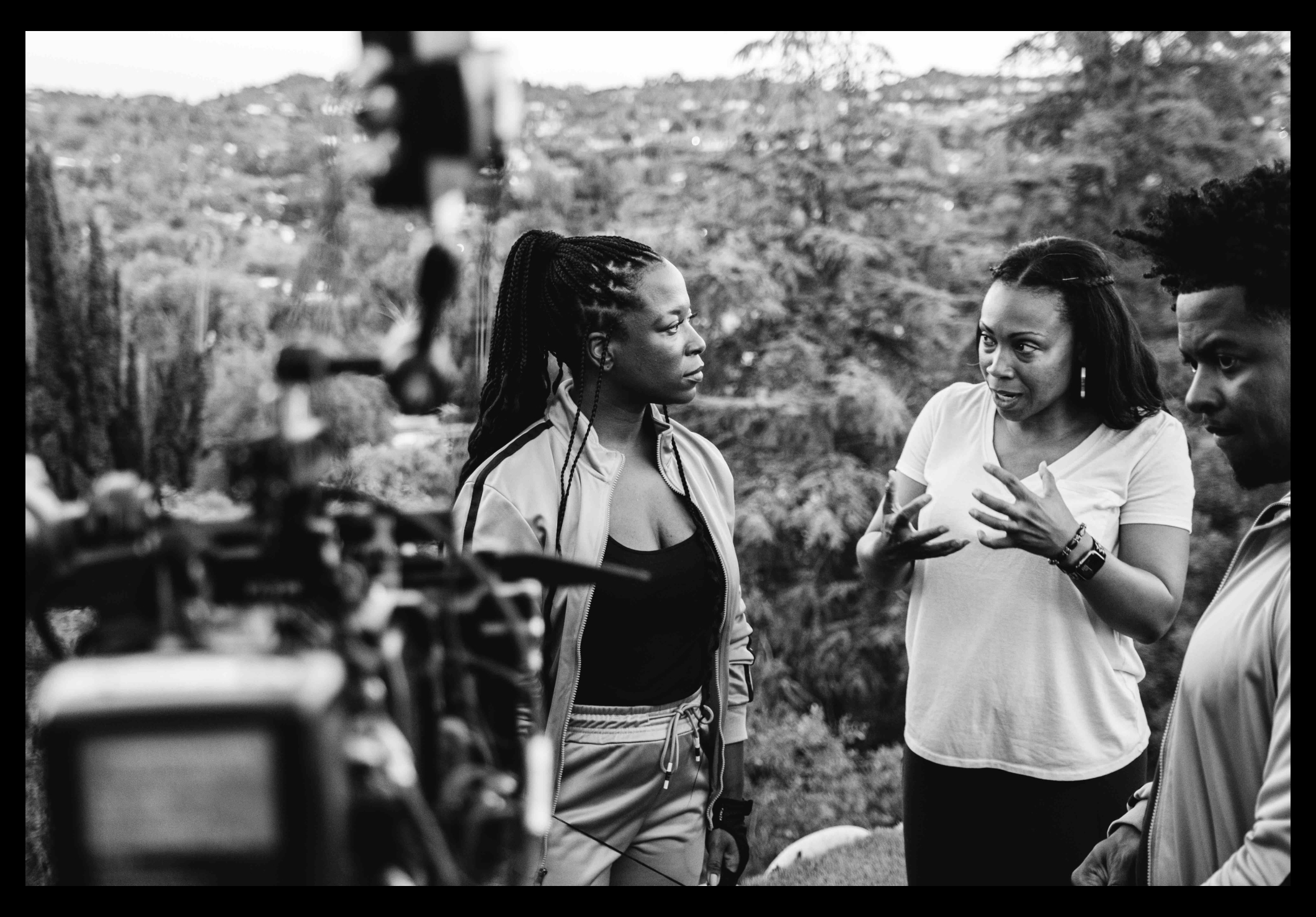
What followed was a frantic location hunt all over again. We had to let go of some of our original shot ideas and be open to what the story needed now rather than what we had planned. And then—almost at the last minute—we found a new location that not only worked, but actually served the story better than the first. It was a powerful reminder that sometimes the chaos leads you exactly where you’re meant to be.
Tell us about the most memorable response you got from this work.
The first time we screened the film at a film festival we were excited by not only the laughter it received, but the shock and gasps from the audience at every twist and turn. In that moment we realized our hard work finally paid off. And we were lucky to have filmed some of the audience interaction after the screening. They were excited to approach us and tell us how much they loved the film. One fellow filmmaker exclaimed it was the best short film he had seen that year.
Complete this sentence: ‘Great video storytelling is…’
… more than just entertainment—it’s the art of transporting us to new worlds while quietly transforming the way we see our own. At its best, it holds up a mirror and a window at the same time: reflecting our truths, while inviting us to imagine something more. It can shift perspectives, spark empathy, and create space for healing, laughter, and change—all within the span of a single story.