Tell us a bit about your organization and what your specialty is in the film and video space.
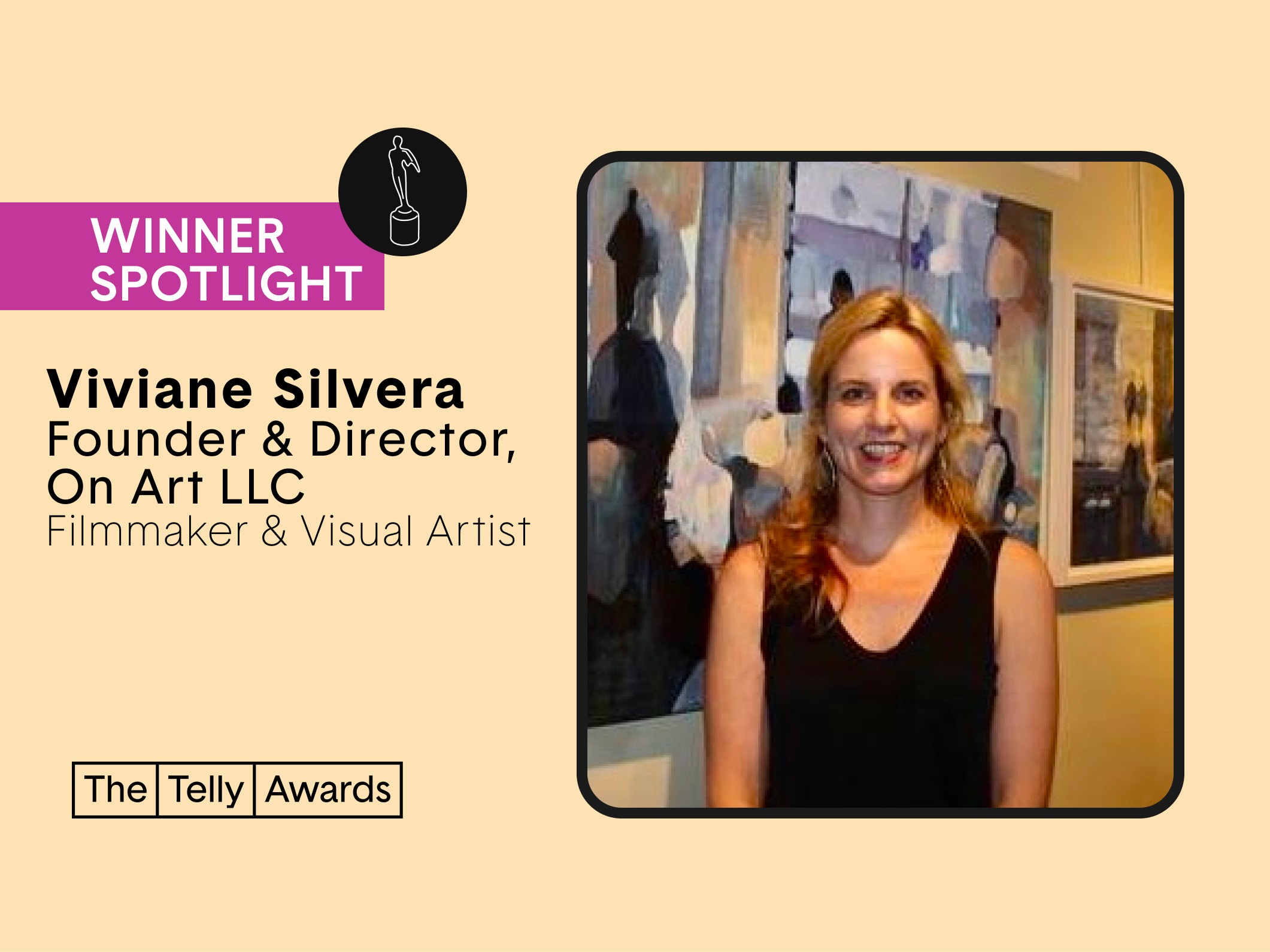
At On Art LLC, every frame is a painting. Founded by filmmaker and visual artist Viviane Silvera, we specialize in hand-painted films—tens of thousands of sequential paintings animated into motion. By slowing cinema down to its most essential gesture, we let audiences feel memory in motion.
Our flagship film, See Memory, is composed of over 30,000 hand-painted frames and blends breakthroughs in neuroscience (with collaborators like Nobel Laureate Eric Kandel and Dr. Daniela Schiller) with lived experience. The film premiered nationally on PBS in 2025 and won a Bronze Telly Award for 2D Animation.
What is your organization’s ethos and how does it set you apart from industry competitors?
At On Art, our ethos is: every frame is a painting. We believe moving images should do more than entertain—they should bridge art, science, and human experience.
In a film industry that prizes speed and replication, we go the other way: toward intimacy, depth, and craft. Every frame is painted by hand. Every story is rooted in research and lived experience. And our films don’t just play on PBS or in museums—they’re used by therapists, educators, and scientists as tools for dialogue.
How can people join or learn more about what you do?
www.vsonart.com and www.seememoryfilm.com
Tell us about your Telly Award winning piece. What’s the story behind it?
See Memory began when still paintings weren’t enough. Memory isn’t static—it shifts, dissolves, reforms. So I painted 30,000 frames, stroke by stroke, each one photographed as it appeared and disappeared.
Out of that came See Memory—a hand-painted film about how we live with memory, especially traumatic memory. Along the way, neuroscientists like Eric Kandel and Daniela Schiller confirmed what I was painting: memory changes every time we recall it.
The result is a film that doesn’t just explain memory, but lets you feel it—fragile, fractured, and alive.
Do you have any advice to other filmmakers based on your career or your team’s approach to work?
My advice is: trust your instincts, even when you feel like an outsider. I didn’t go to film school. I came to filmmaking through painting — brushstroke by brushstroke, frame by frame. For years, I felt like I wasn’t doing it the ‘right way.’ But that outsider perspective is what gave See Memory its voice. Sometimes not knowing the rules is the best way to find your own.
Can you share a behind the scenes story or fun fact about the making of your piece?
When I finished the first cut, I thought the 30,000 painted frames would be enough. Then came the first feedback: “Beautiful… but who did your sound?” I hadn’t realized how essential sound design was. Mortified, I nearly shelved the film.
Then my producer pulled over on the highway, whispered questions about memory into his phone, and sent me the file. Those whispers became the film’s opening — and audiences still mention them today.

Tell us about the most memorable response you got from this work.
A woman told me, “For the first time, I have the language to talk about something I’ve carried my whole life.” Not long after, therapists began asking if they could use the film in their practices, saying it helped patients access emotions words alone couldn’t reach.
For a hand-painted film built frame by frame, that’s the greatest honor: becoming a bridge between science, art, and the human heart.