Tell us a bit about your organization and what your specialty is in the film and video space.
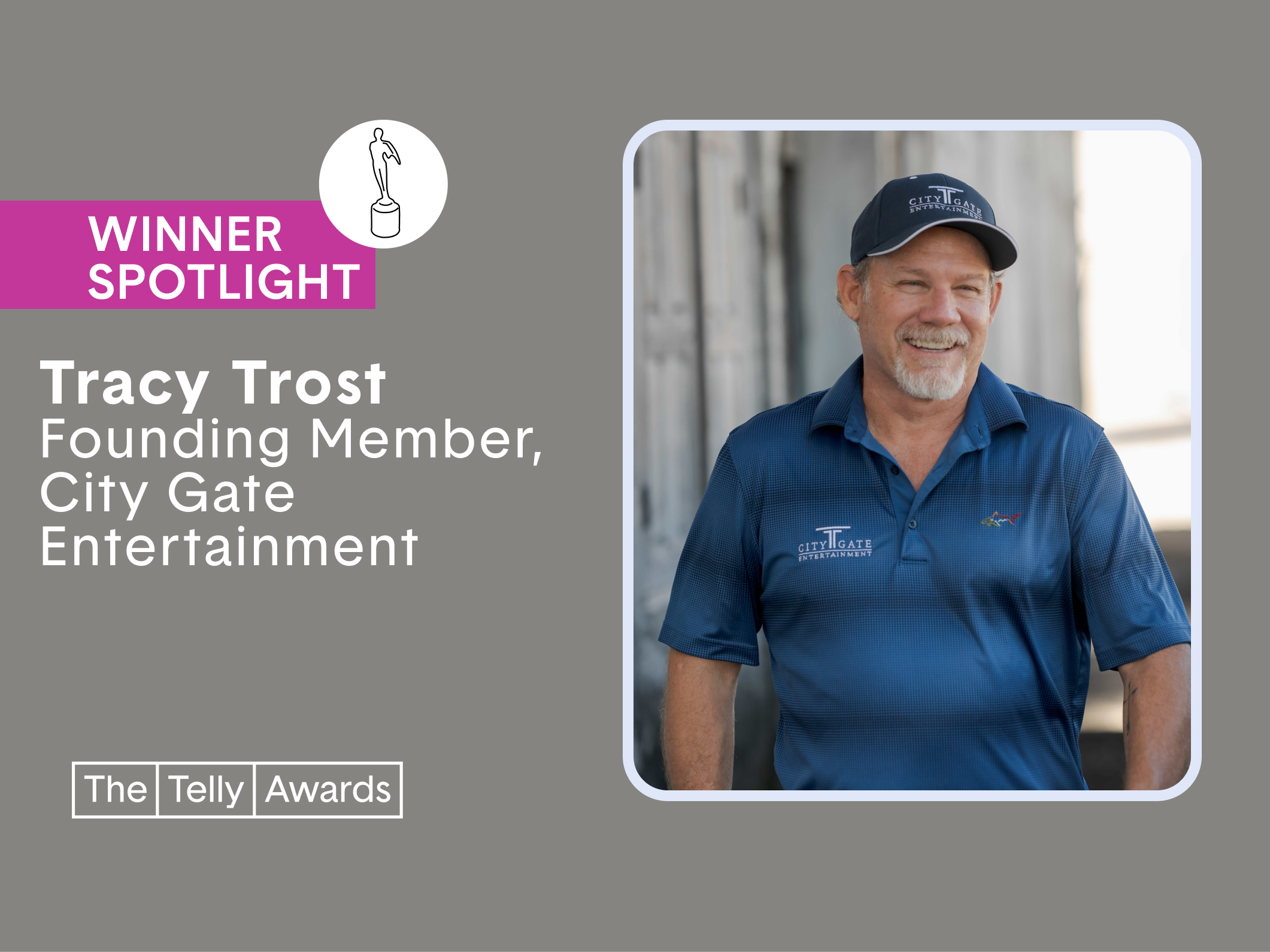
City Gate Entertainment was created to help tell entertainment based stories about brands making positive change in the world. We focus mostly on working with non-profits and telling their stories in film or tv series format so that a wider audience of viewers can get to know them, the stories they have to tell, and the work they are doing.
What is your organization’s ethos and how does it set you apart from industry competitors?
Our ethos is to love what you do, and love who you do it with. This acts as a filter not only for the people we choose to work with but also our clients. If someone has a large budget, but as a team we wouldn’t love doing the work or working with them, we pass.
If someone is acting more as a value extractor than a value creator we move on. Not everyone is the right fit for everywhere and that’s okay. But having this simple test to run people, projects, and clients by is incredibly helpful.
How can people join or learn more about what you do?
Follow us on social media (FaceBook, Instagram), like plumbers who have leaky pipes, we’re working on having more fun there and not being as invisible as we have been.
Tell us about your Telly Award winning piece. What’s the story behind it?
The Mercy Ships is a reality based tv series that follows the hundreds of amazing volunteers from more than 60 nations who give of their time and talents to serve on the world’s largest civilian run hospital ships off the coast of Madagascar and Sierra Leone.
It’s like a floating village with not just doctors, nurses, and surgeons but people who volunteer to do everything it takes to run these ships including IT, HR, Crew Bank, School, Food Service, Hospitality, and Ship Operation. Literally hundreds of people all working in their own special talents to make free surgeries and medical care possible to those who would otherwise not have access to it.
But beyond that they are teaching local medical staff and training them in procedures and medical processes so that the local community is invested in and given a more educated and sustainable healthcare system whether Mercy Ships is there or not.
The show follows the volunteers in this amazing work, but also shows what life is like onboard when they’re not working. Just like each of us, the volunteers all have hobbies, interests, and lives they live outside of work, and the show gives viewers the chance to be virtual stowaways and experience it all for themselves.
What are you most proud of about this piece? What was your biggest challenge during production and how did you solve it?
I’m proud of the response we got from so many of the volunteers who were proud to see the project because it captured the experience and efforts they go through on a daily basis. Too often a production comes in with their own ideas of what something should be for whatever reason, but to come in and listen and build relationships with the crew so that they want you to come back is something to be proud of.
The biggest challenge is probably just navigating the need to film, with the need for the ship to be able to do what it is there to do. We have to be able to capture what we needed to make a 10 episode series and now a Second Season, but not get in the way of the life saving work that is being done.
Thankfully we had a great production team and worked with a fantastic team on ship to organize everything. And honestly, just being what we’d call normal humans, and treating others as humans, and listening, and being flexible so that you can find other solutions to needs is what solves all of that. As I said earlier, going in with a mentality to create value for those you are working with, and serving them in your efforts to capture what you need is what makes it work.
Do you have any advice to other filmmakers based on your career or your team’s approach to work?
Always seek to bring value in whatever job you find yourself doing. Make it personal, but don’t take it personal. Do the work until you can be proud of it, because at the end of the day if no one else sees it but you, you want to know you did your absolute best.
Be kind to others, we’ve all had bad days, we’ve all tried something for the first time and will again. For us we measure success as this, when everything is done, does everyone look around and say, “Wow, that was tough… when can we do it again?”
Can you share a behind the scenes story or fun fact about the making of your piece?
Over the course of filming I got to know Captain O’Shea really well and we’ve become friends. Captain O’Shea is an amazing man who serves on board both ships from time to time and he would say to me in his Irish accent, “My job as a Captain is to keep the drama on board as minimal as possible, but your job as the director is to make it as much as possible!”
Tell us about the most memorable response you got from this work.
One of the best responses we’ve gotten is someone who said they had heard about Mercy Ships, had applied to volunteer, but then chickened out. But after seeing the show they are now going to apply again and go.
We’ve heard from numerous people that they had no idea there were so many non-medical opportunities to volunteer and that they were going to apply. To see that the work we’re doing is literally bringing more people to the ship to volunteer and help others through this life saving work makes all the long hours worth it.
Complete this sentence: ‘Great video storytelling is…’
… giving the audience something worth paying attention to and hopefully inspiring them to become better people after they see it.