Tell us a bit about your organization and what your specialty is in the film and video space.
Dot Films is a narrative-first production house that’s based out of India. We work with brands, musicians and other filmmakers to create visuals and audio that focuses on craft, story and emotion, typically existing right at the intersection of ‘commercial’ filmmaking and visual art. We really like the idea that stories travel further when told with craft and intent.
We also facilitate foreign productions in India, with across-the-board services spanning the filmmaking process.
What is your organization’s ethos and how does it set you apart from industry competitors?
At Dot Films the focus tends to be on innovation in storytelling, elevated picturisation, authenticity & originality, and a certain preference for films where our values as people overlap with the intent of the film.
In this regard what sets us apart is this constant attempt to not try and sell prescriptive ideas but only convey a certain (or few) emotion which works by itself to persuade audiences.
How can people join or learn more about what you do?
They can follow us on Instagram and go to www.dotfilms.co where they can even subscribe to our newsletter ‘The Timeline.’
Tell us about your Telly Award winning piece. What’s the story behind it?
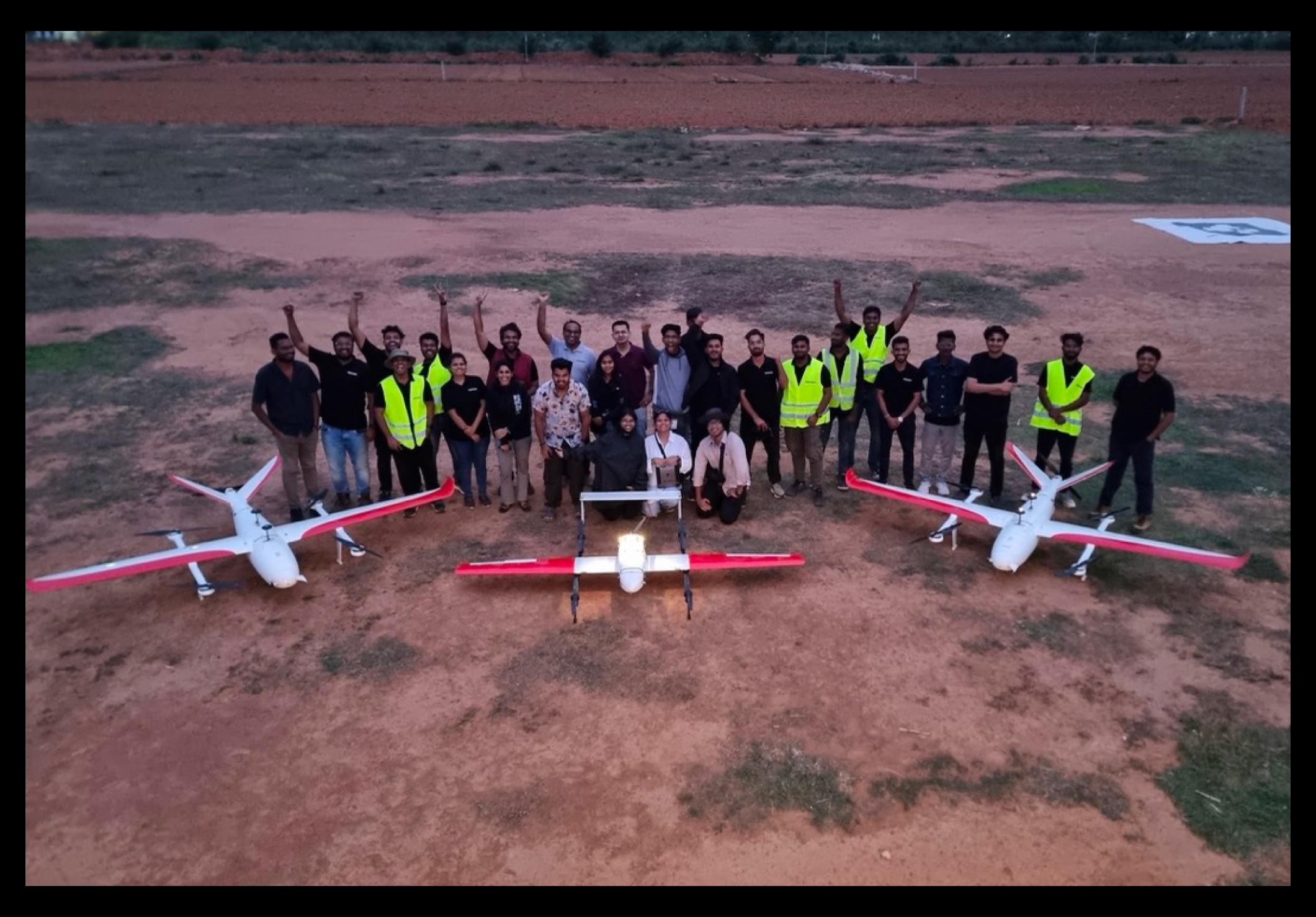
“Raising Kandhamal” is a branded documentary for a ‘Redwing’, a company that designs and operates drones to deliver essential services like medical care to far flung communities in India.
The film takes audiences to the district of Kandhamal, in the poor state of Odisha in India, and through the lives of the agrarian Rupamajhi family, explores the community’s struggles with Sickle Cell Disease, and how Redwing’s intervention helps improve lives and livelihoods. Although a “case study” for the brand, the film is a love letter to the state and an attempt at representation for a people who are usually sidelined.
What are you most proud of about this piece? What was your biggest challenge during production and how did you solve it?
What we’re most proud of is the fact that a story which probably otherwise wouldn’t cross village boundaries has found its way to the globe and in a fashion that it deserves. Besides the elements and remoteness, language tended to be a hurdle for us for interviews and getting to know our subjects but working with local non-filmmaking talent helped us easy overcome these.
Do you have any advice to other filmmakers based on your career or your team’s approach to work?
Do not undersell your vision but it’s ok to second guess yourself as long as it helps you improve.
Can you share a behind the scenes story or fun fact about the making of your piece?
The piece has, in our experience, been one of the harder things to shoot due to the remoteness of certain locations, the weather never favouring us and a certain lack of local expertise in filmmaking, while also being one of the most fulfilling projects for us in terms of capturing a story that’s authentic, grounded and not a sales pitch.
We made wonderful friends across 2 weeks of being on-ground, worked without any internet connectivity and soaked in so much nature that it kept us honest through the post-production phase.
Tell us about the most memorable response you got from this work.
Our favourite responses were from the people who had nothing to do with the industry, cause or stakeholders involved, especially they watched it as meditative story
Complete this sentence: ‘Great video storytelling is…’
… the marriage of intent, empathy and obsession.