Tell us a bit about your organization and what your specialty is in the film and video space.
Chrome Bumper Films is a multi-award-winning, full-service film production and post-production company, honored with numerous accolades including Emmy and Telly Awards. We specialize in visually creative storytelling across various formats, including music videos, commercials, advertising campaigns, branded content, documentaries, television episodics, short films, and feature films.
Our journey began in the music video world, where we collaborated with major artists such as Eminem, 50 Cent, Kid Rock, and many others. Those projects not only sharpened our craft but also earned numerous accolades for their innovative, cutting-edge style. When MTV shifted away from playing music videos, we pivoted into commercial and advertising work, carrying with us the same music-driven energy, pacing, and visual flair that defined our music video projects. That distinct formula has allowed us to expand into a variety of creative realms, producing content that resonates with both audiences and brands.
Today, Chrome Bumper Films continues to evolve, bringing this bold, music-inspired storytelling approach into television episodics, documentaries, and feature films, while maintaining a strong presence in the creative advertising space.
What is your organization’s ethos and how does it set you apart from industry competitors?
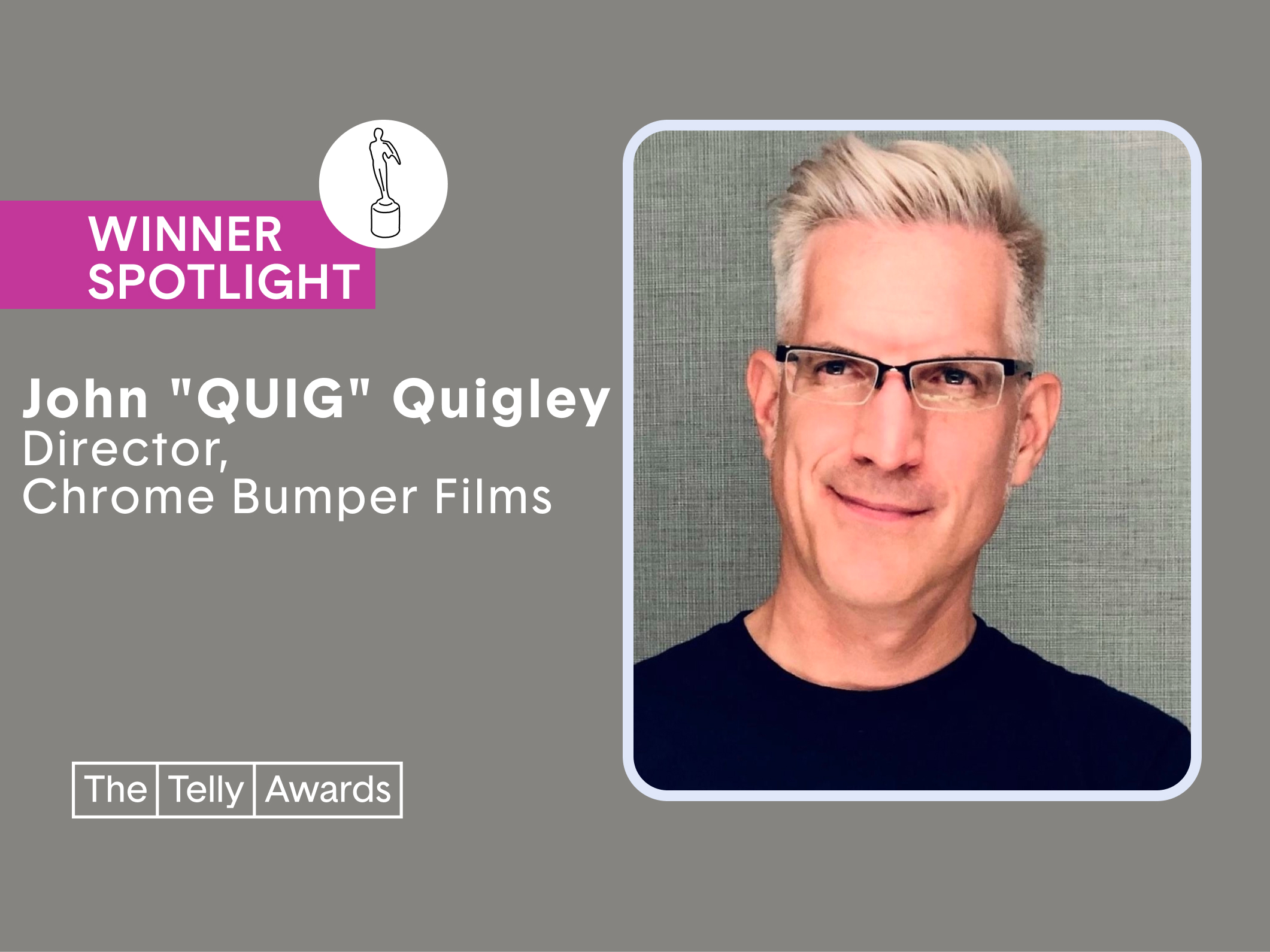
Chrome Bumper Films and its owner John “Quig” Quigley operate with an ethos rooted in authenticity, creativity, and uncompromising quality. We believe great storytelling is not just about visuals; it’s about creating an emotional connection that lingers long after the screen goes dark. That belief drives every project we take on, whether it’s a music video, commercial campaign, documentary, or feature film.
What sets us apart is our refusal to compromise on craft. We don’t chase trends or dilute our work to fit a template. Instead, we bring a music-inspired visual energy, born out of our early days working with artists like Eminem, Tori Amos, and Sigur Ros, into every format we touch. That background shaped our fast-paced, emotionally resonant style, which we’ve successfully adapted for commercials, branded content, television, and film.
As a director, I lead with the principle that creativity can’t be manufactured, but it can be nurtured through discipline, respect, and collaboration. Our team approaches every project with the same intensity, whether it’s a national campaign for a Fortune 500 company or an intimate micro-documentary on an emerging artist. We stay firmly in the premium-quality space, ensuring each piece of work reflects the highest standard of storytelling and execution.
Ultimately, Chrome Bumper Films is defined by our passion for making every frame count. That unwavering commitment to originality, artistry, and excellence is what sets us apart in a crowded industry.
How can people join or learn more about what you do?
We’re always excited to collaborate with creative minds who are passionate about making a visual impact. Whether you’re an agency, a brand, an artist, a band, a writer, or simply someone with a story to tell, we’re eager to connect with people who value originality, authenticity, and bold storytelling, or who are interested in jointly creating pitch material.
To learn more about our work and approach, visit us on our website, where you can explore a selection of our projects across music, film, advertising, and beyond. If you’re inspired to collaborate, the best way to reach us is by sending a message with a brief introduction, a description of your project, and any relevant materials or links. We take every inquiry seriously and thoughtfully, and we look forward to exploring creative ideas that push boundaries and bring stories to life.
Please send all inquiries to Info@chromebumperfilms.net.
Tell us about your Telly Award winning piece. What’s the story behind it?
John “Quig” Quigley and Chrome Bumper Films have been honored with multiple Telly Awards over the years, but one of the most meaningful wins came from the short film “:60 Seconds,” which won a Telly Award for Best Movie Trailer. “:60 Seconds” was a self-funded project, originally conceived as a proof of concept to secure meetings with major film studios.
The primary goal was simple yet critical: to demonstrate that I could successfully direct professional film actors, not just world-famous music stars. The project delivered on that intention and more. It caught the attention of an HBO Max executive producer, which led to an invitation for me to direct an episode of an HBO television series and several other projects. What began as a calling card for studio meetings grew into much more.
Given the time and resources invested, we entered “:60 Seconds” into a wide range of film festivals, including Academy Award-qualifying festivals. The film performed exceptionally well as a finalist, winning multiple awards and generating buzz in numerous industry showcases, with licensed music by Elvis Presley, The Pixies, When in Rome, Bobby Darin, and Mike Patton. The award-winning trailer itself became a powerful launchpad, igniting interest in seeing the full film. It also validated the signature Chrome Bumper Films approach: a music-driven, fast-cut, emotionally impactful style that grabs attention in a short amount of time. This formula has become our hallmark, consistently creating excitement, anticipation, and momentum around every project we touch.
What are you most proud of about this piece? What was your biggest challenge during production and how did you solve it?
I am most proud of bringing this project to life from start to finish. I conceived the idea, developed the concept, collaborated with a co-writer, and took on the roles of director, producer, editor, music supervisor, and licensing. I also secured the funding to make the film a reality.
Seeing it screened on the big screen with an audience was incredibly satisfying, but the true reward came from its purpose being fulfilled: it opened doors and created the opportunities needed to get noticed by key industry decision-makers. This experience reinforced my belief that vision, persistence, and hands-on dedication at every stage of a project can turn an idea into a tangible, impactful success.
Do you have any advice to other filmmakers based on your career or your team’s approach to work?
Today, creators have more platforms than ever to showcase their work. YouTube, social media, and other digital outlets have made it easier to gain exposure. However, monetizing content and turning it into a sustainable career is still difficult.
Networking is essential, and one of the best ways to find a mentor is by actively engaging in industry events, conferences, and local meetups. I recently became a voting member of the Television Academy, the organization behind the Emmys, and the meetups and events they offer have given me the opportunity to connect with established professionals from various sectors of the film industry. These are individuals I might never have crossed paths with otherwise, and the relationships I’ve built through these events have been incredibly valuable. Every person you hire on a set has the potential to become your greatest ally.
Building connections with professionals who are willing to share their knowledge can be a game-changer. In the past, many industry veterans were reluctant to share their skills, fearing competition. However, the industry has evolved, and there is now a much stronger spirit of collaboration. Many experienced professionals are eager to mentor newcomers, recognizing that knowledge-sharing strengthens the industry as a whole.
Teaching and mentorship not only foster growth within the field but also help cultivate a new generation of skilled professionals. While learning through trial and error is an inevitable part of the journey, having guidance from those with experience can accelerate progress, minimize costly mistakes, and open doors to exciting new opportunities.
Someone will always be inspired by your work and may even use it as a source of influence, whether they admit it or not. Creativity sparks creativity, and the best ideas often leave a lasting ripple effect, shaping the visions of others in ways we may never fully realize.
One of the best ways to grow in your profession is through continuous learning. There are now countless resources available, including YouTube tutorials, online film schools, and free industry workshops. However, the most valuable learning experiences often come from hands-on, in-person interactions with experienced professionals. Simply stepping onto a film set is like unlocking a cheat code for industry knowledge: you instantly gain insight into how each department functions, witness the beautiful chaos firsthand, and discover that craft services is the true MVP of any production.
Can you share a behind the scenes story or fun fact about the making of your piece?
The film “:60 Seconds” faced numerous hurdles, far more than simple bumps in the road. These were deep crevices and unexpected ditches that required careful navigation. One of the biggest challenges was the location: a casino. As anyone familiar with filmmaking knows, locations can be expensive, and casinos are not cheap or easy places to film in. Early on, we lost three casino locations within weeks of filming, and each time we had to push back our schedule and adjust our plans, losing carefully selected talent along the way to other projects.
In the end, the casino we finally secured proved to be the best choice, not just for its aesthetics but for the incredible support and professionalism of their management team. This experience reinforced a central truth in filmmaking: with enough effort, persistence, and the right team in place, things usually work out for the best.
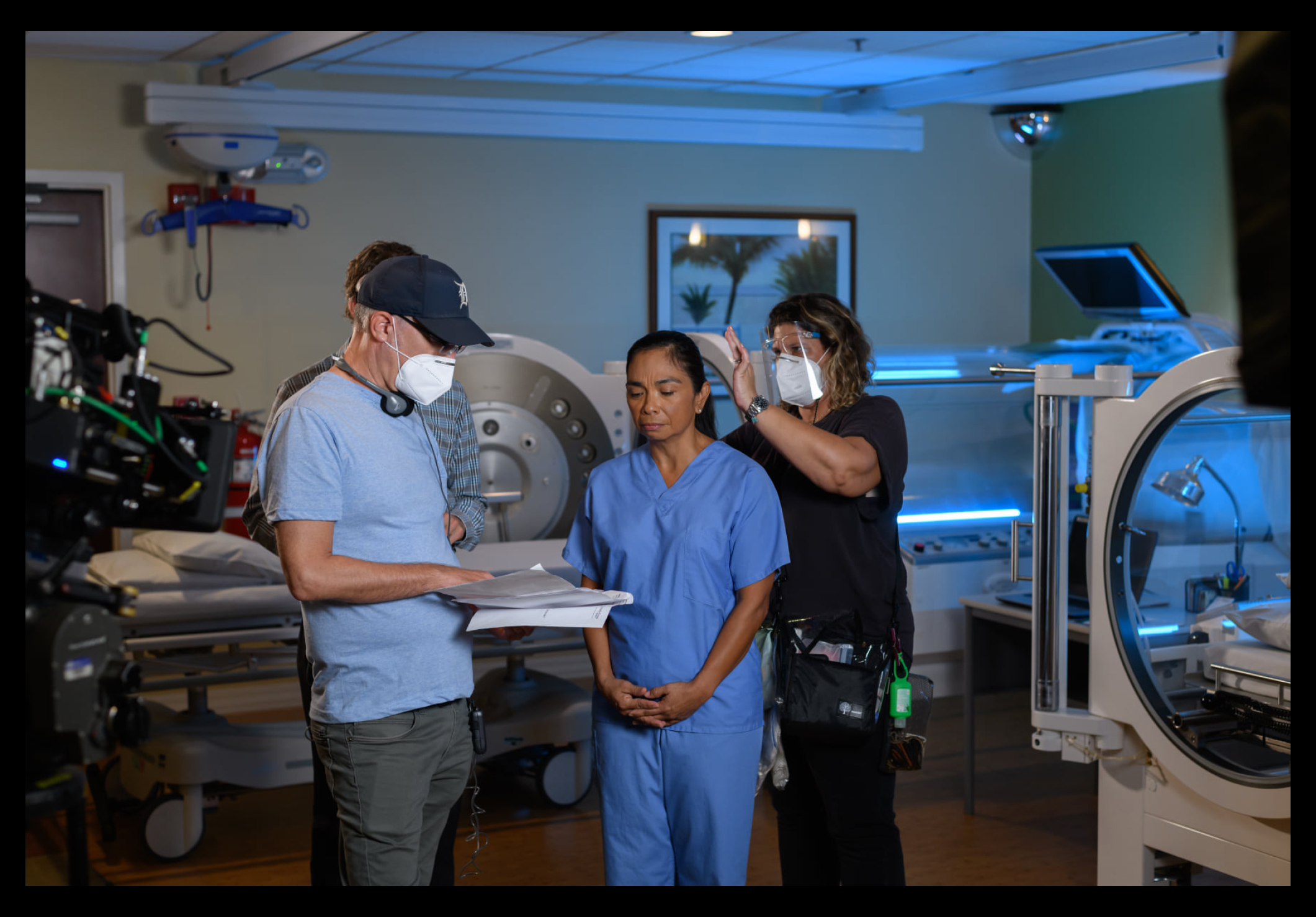
Filming in a casino also comes with its own set of rules, regulations, and gaming board approvals. Certain areas, like the cashier’s cage or booth and cash counting zones, are off-limits for filming. To work around this, we built a replica of a casino cashier’s booth and cash counting area inside the casino itself. The result was seamless; on camera, it was impossible to tell it wasn’t the real thing.
This challenge highlighted the importance of creativity, problem-solving, and collaboration in filmmaking. Even in a highly regulated environment, thoughtful planning and resourcefulness allowed us to execute our vision without compromise.
Complete this sentence: ‘Great video storytelling is…’
… Chrome Bumper Films.