Tell us a bit about your organization and what your specialty is in the film and video space.
We’re the creative production team at the Arizona Cardinals, where my specialty is leading video features from concept to execution. I focus on cinematic storytelling, motion graphics, marketing campaigns, and PR/community impact projects, delivering high-quality content that engages fans across broadcast, digital, and social platforms.
What is your organization’s ethos and how does it set you apart from industry competitors?
At the Arizona Cardinals, we see ourselves as more than just a football team. Our ethos is about leveraging our platform to create a broader community impact. We focus on initiatives like our “Civic Matters” program, helping students learn civics in Washington D.C., our Cardinals Foundation supporting individuals with special needs, and pioneering youth flag football broadcasts in the NFL. We believe in the philosophy “It’s about us”—valuing every voice, playing together, and winning together. This community-driven approach truly sets us apart.
How can people join or learn more about what you do?
You can learn more by following the Arizona Cardinals’ official platforms, where we share video features, marketing campaigns, and community stories. For a closer look at my creative work, I also showcase projects through my personal portfolio, LinkedIn, and YouTube channel, highlighting behind-the-scenes storytelling and award-nominated pieces.
Tell us about your Telly Award winning piece. What’s the story behind it?
Our Telly Award–winning piece was built around a simple but powerful idea: civic engagement starts young. We see how much passion younger generations have for pop culture, and we wanted to channel that same energy into preparing them to be active, informed citizens—whether that’s writing, speaking up, or one day casting their vote.
In Arizona, students participate in an essay competition, and the winners are given a once-in-a-lifetime opportunity: traveling to Washington, D.C. on the Arizona Cardinals’ team plane. There, they step into the heart of our democracy, meeting members of Congress, Supreme Court justices, and other leaders.
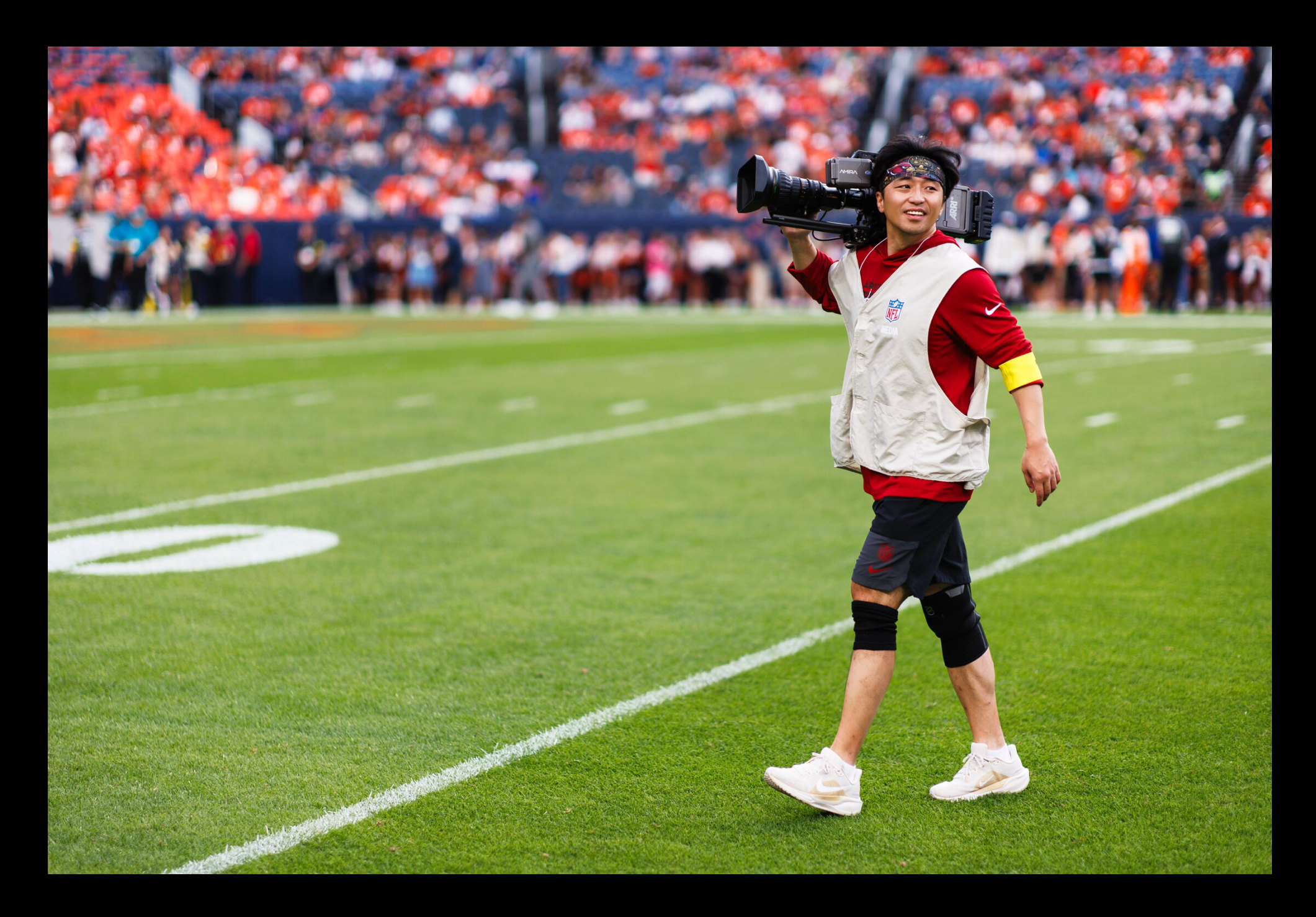
For me as the video producer, the story was about more than just documenting the trip. It was about capturing the spark in these students’ eyes as they realized that their voices matter. Behind the scenes, it was an enormous challenge—nearly 300 students across different workshops, and I was the sole producer. I had to juggle B-roll, timelapses, cinematic shots, micing students, and covering multiple groups with a very quick turnaround. But that’s also what I’m most proud of: staying focused, organized, and making sure not a single moment was missed.
Ultimately, this piece wasn’t just about the Cardinals or even football—it was about showing how sports can be a bridge to education, civic responsibility, and community impact. I think that’s what set it apart and why it resonated so strongly.
What are you most proud of about this piece? What was your biggest challenge during production and how did you solve it?
I’m most proud that this piece captures the full spirit of the trip—nearly 300 students engaged in workshops, learning, and exploring D.C. The biggest challenge was that I was the only video producer on site, responsible for everything from B-roll and timelapses to mic’ing up students, capturing cinematic shots, and covering multiple groups at once. It required me to stay extremely focused and organized, planning every angle and transition carefully. Even with the quick turnaround and nonstop pace, I was able to get all the footage needed without a single mistake—which is both the challenge and the achievement I’m proud of.
Do you have any advice to other filmmakers based on your career or your team’s approach to work?
Great filmmakers learn from mistakes—every misstep is a lesson that sharpens the next story.
Can you share a behind the scenes story or fun fact about the making of your piece?
A fun behind-the-scenes detail is that every U.S. Senator decorates their office in their own style. Walking through, you’d see everything from state pride on display to family photos and personal memorabilia—it gave the students a more relatable view of these leaders.
At the same time, there were moments we couldn’t capture. When we visited the Supreme Court, no filming or photography was allowed, even after we asked. It was unfortunate because the conversations with the justices were so thought-provoking. And inside the Capitol, every hallway, statue, and oil painting carried history and meaning—you could spend a lifetime learning there and still not take it all in.
Tell us about the most memorable response you got from this work.
The most memorable response came from the students themselves. For many, this wasn’t just their first time in Washington, D.C.—it was also their very first time on an airplane. To see their excitement as they stepped onto the team plane and then walked through places like the Capitol and the Supreme Court was unforgettable. Several students shared afterward that the experience opened their eyes to what it truly means to be a citizen and made them feel their voices could matter. For me, hearing that affirmed that our work went beyond video—it created an experience that could inspire a lifetime.
Complete this sentence: ‘Great video storytelling is…’
… the art of making people feel connected to something bigger than themselves.