Tell us a bit about your organization and what your specialty is in the film and video space.
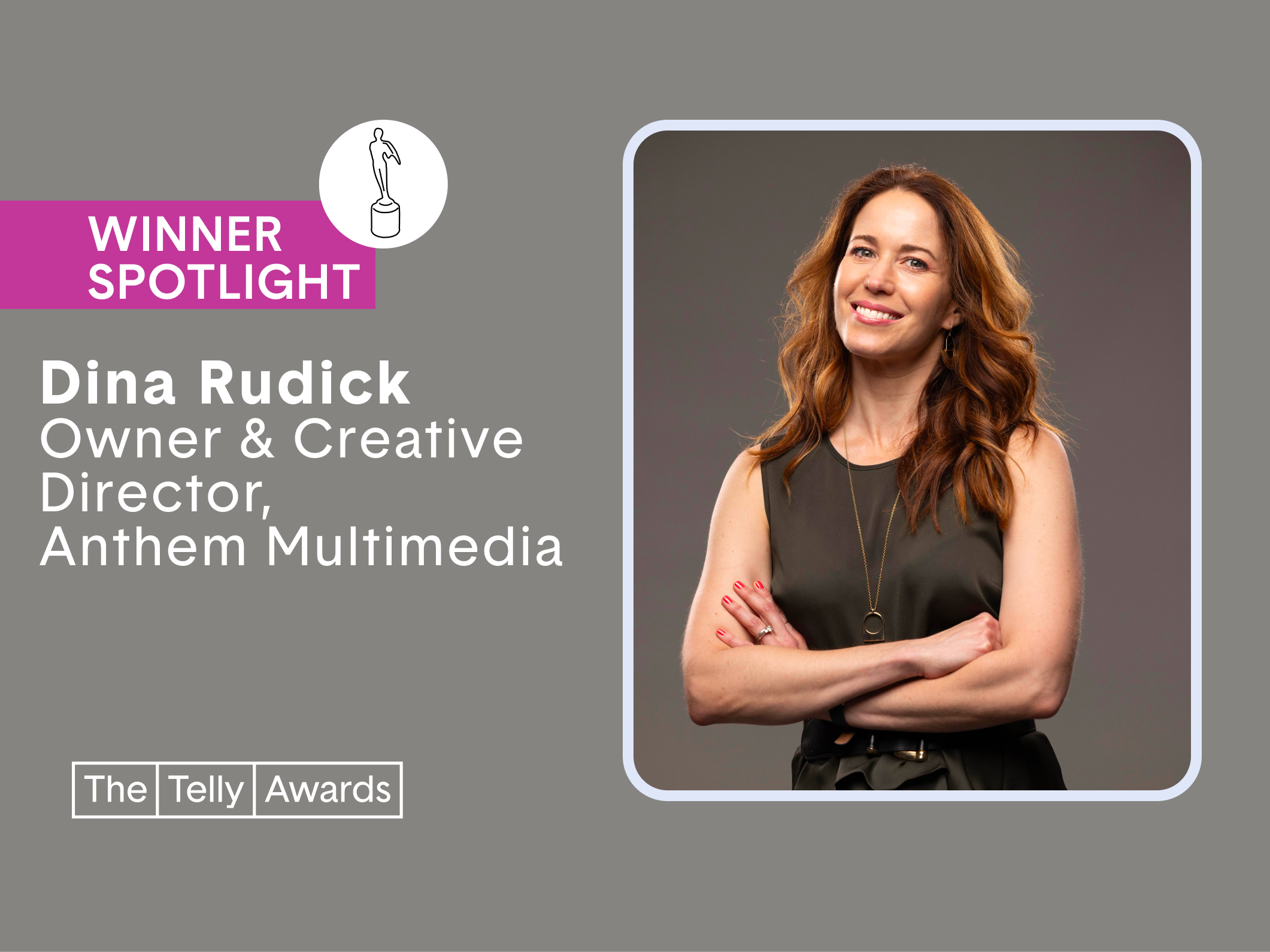
We are a production company that offers a boutique agency experience, specializing in cinematic documentary storytelling for the life science industry and mission-driven organizations. We do everything in-house, from concept through delivery, with an extraordinary team led by a journalist and filmmaker duo.
What is your organization’s ethos and how does it set you apart from industry competitors?
Our North Star is truth – scientific truth, human experience truth, social impact truth – guided by a journalistic ethic delivered with a cinematic gloss. We are led by a journalist creative director who doesn’t just concept projects, but *reports* them deeply to uncover the bigger picture. Our director of photography comes from Hollywood – the world of enormous productions and even bigger budgets – and applies his rigorous standards of excellence and beauty to every shot, which serves to elevate the narrative. We outsource nothing and handle every detail ourselves – from production planning to color grading to sound design. Because of this, we can promise absolute accountability and exquisite flexibility. We keep our team small so we can maintain world-class standards.
How can people join or learn more about what you do?
See our work at www.anthemmultimedia.com – and set up a meeting to talk about your communication needs.
Tell us about your Telly Award winning piece. What’s the story behind it?
Bearing Witness: A Name & A Voice delves into the backstories and convictions of four extraordinary newspaper reporters. Their distinct personal narratives explain the profound motivations that fuel their work, as well as the indelible stories that continue to resonate within them – revealing the who behind the who-what-when-where & why. The film challenges audiences to transcend the monolithic term “The Media” and instead see clearly individuals who propel it forward.
Telling the truth is almost a political act these days, and journalists are under literal attack, but we need truth-tellers, investigators, and watchdogs – we need witnesses – now more than ever. My hope is that after watching this film, audiences question the monolithic term “The Media,” and instead simply see people. Inspiring, incredible people.
What are you most proud of about this piece? What was your biggest challenge during production and how did you solve it?
The long view. This film took years to craft, create, and bring into the world, and even longer if you count the decades as a journalist from which I drew both inspiration and motivation. I’m most proud that this film is saying exactly what needs to be heard right now in this moment of societal, institutional and democratic fracturing.
Do you have any advice to other filmmakers based on your career or your team’s approach to work?
So much advice. Ground yourself in craft and skills, do not outsource deep creative work to AI, conceptualize expansively but do not get out over your skis in the execution, every single detail is your responsibility, even if it’s carried by a trusted teammate. The viewer does not care about the degree of difficulty – they only see what comes to them on screen, so that is your platform. Not the backstory. Align yourself to what is true, adhere to strict integrity in all things.
Can you share a behind the scenes story or fun fact about the making of your piece?
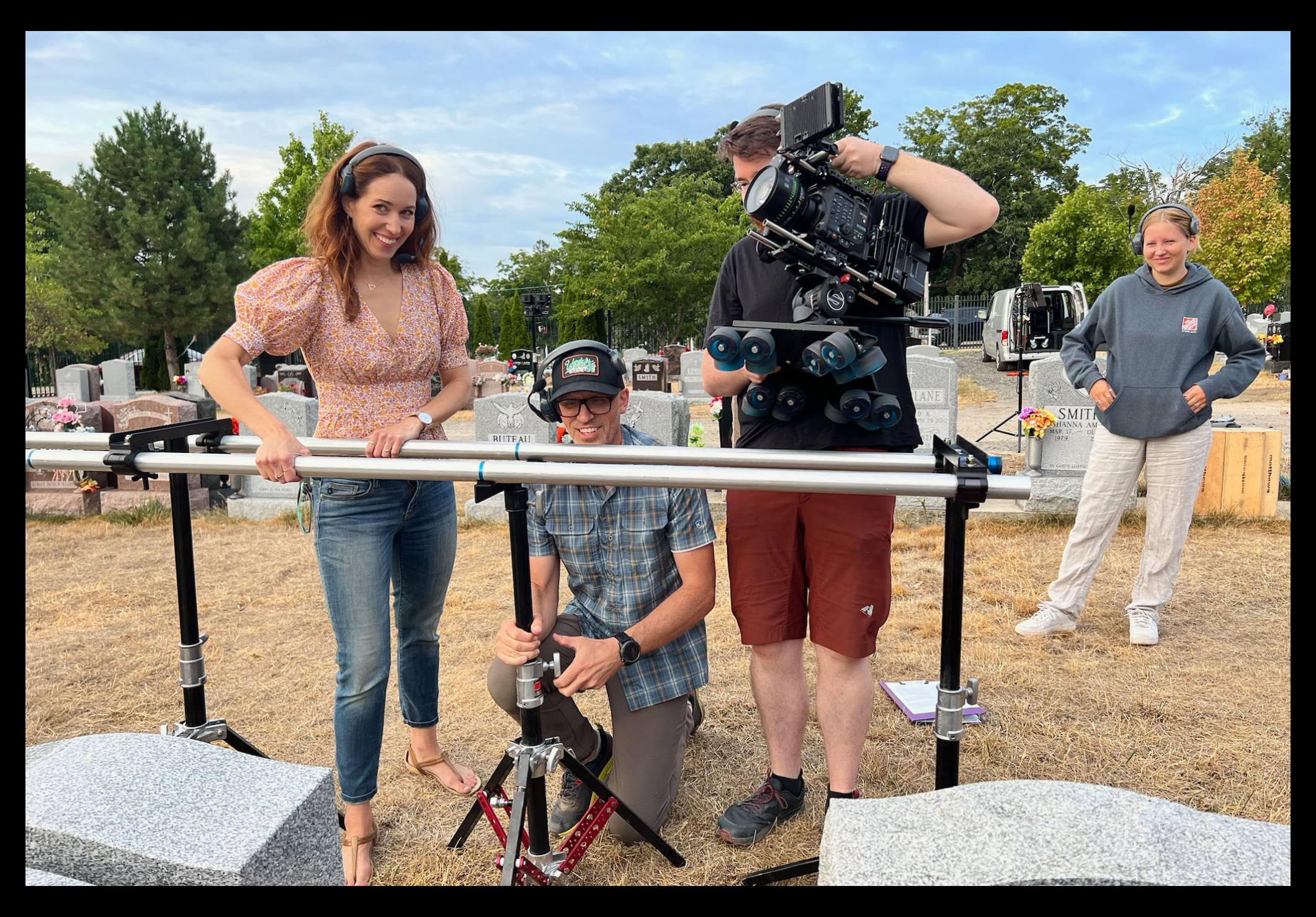
This is a documentary wrapped in a narrative construct. We were able to do this because we captured the interviews 6 weeks ahead of principal photography, which allowed us to comprehensively edit the story, storyboard and shot-list the visuals, and shoot our documentary like a narrative. We then edited the film, and returned months later to add a powerful coda by returning to the printing presses in the middle of the night and following the paper as it hit metro Boston at dawn.
Tell us about the most memorable response you got from this work.
I think the most memorable, and meaningful response I got was when I showed the film to co-producer Scott Allen, who led the Spotlight team for years and is one of the most excellent journalists I’ve had the pleasure to know. He’s seen everything, reported on everything. I don’t know how to surprise him. He wept. The film, to him, elevates the deep work and value of journalism in a way he hadn’t seen. I knew then that we had something that would touch people.
Complete this sentence: ‘Great video storytelling is…’
… an involuntary, effortless journey for the viewer that sweeps them into an empathic understanding of what would otherwise be inaccessible.