Tell us a bit about your organization and what your specialty is in the film and video space.
I focus on creating narrative-driven short films that explore the depth of human emotion and resilience. My work combines cinematic storytelling with a strong visual style, often centered on themes of loss, transformation, and healing. With each project, I aim to deliver films that not only move audiences but also spark reflection and conversation.
What is your organization’s ethos and how does it set you apart from industry competitors?
The guiding ethos of my work is authenticity, telling stories that are emotionally raw, deeply human, and universally relatable. What sets me apart is the willingness to lean into vulnerability, portraying characters and experiences that reflect the unfiltered complexities of life. My films are not designed simply to entertain, but to create an emotional space where audiences can see themselves and feel less alone in their struggles.
How can people join or learn more about what you do?
People can follow my work and connect with me on Instagram or learn more about my films on IMDb.
Tell us about your Telly Award winning piece. What’s the story behind it?
Climb is a powerful exploration of grief and how it evolves into major depression. The story follows Emma and Abel, a couple grappling with the loss of their young daughter, Chloe, in a tragic car accident. Emma seeks professional treatment through therapy and medication, while Abel isolates at home, unknowingly using exposure therapy by confronting reminders of their daughter. After more than a year apart, the couple reunites, forced to face a shared pain that has defined them both. The film does not argue against professional treatment—it simply portrays the different, very human ways people process trauma.
What are you most proud of about this piece? What was your biggest challenge during production and how did you solve it?
What I’m most proud of about Climb is that it was entirely character-driven. The film lives and breathes through the emotional journeys of Emma and Abel, and keeping that focus made the story resonate deeply with audiences. The biggest challenge during production was balancing my role as both director and actor. Stepping into Abel’s perspective while also guiding the overall vision required discipline and trust in my team. Ultimately, being inside the character gave me a unique vantage point, it allowed me to direct with greater empathy and ensure every moment felt authentic.
Do you have any advice to other filmmakers based on your career or your team’s approach to work?
Just write the first draft. Do not worry about how good it is. Get it on the page, then come back every day and refine each page, brick by brick. Consistent small improvements will carry you farther than perfection.
Can you share a behind the scenes story or fun fact about the making of your piece?
We actually purchased and constructed the bench that appears in the film for the iconic moment when Able envisions Chloe. It became a centerpiece of the scene, both visually and emotionally, and added a tangible layer of authenticity to that powerful moment.
Tell us about the most memorable response you got from this work.
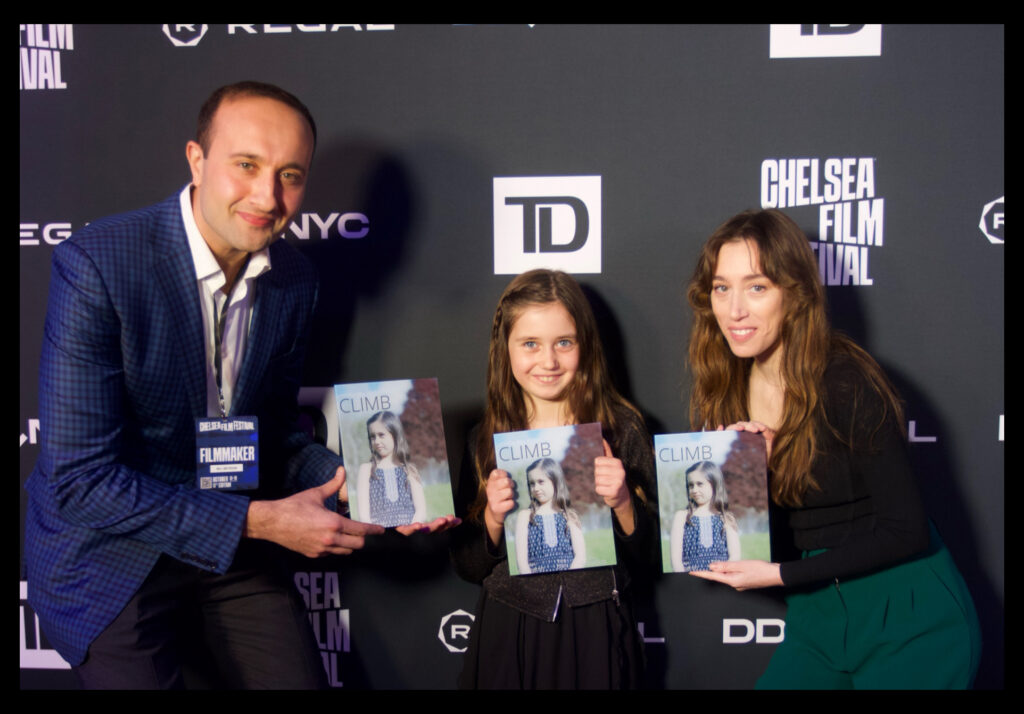
After our world premiere at the Chelsea Film Festival, several people came up to me and shared that the film had brought them to tears. Hearing that reaction was incredibly moving, it was a reminder of just how powerful the art of filmmaking can be in connecting with people on such a deep, emotional level.
Complete this sentence: ‘Great video storytelling is…’
… the ability to capture raw human emotion in a way that feels authentic, resonates universally, and lingers with the audience long after the screen fades to black.