This piece was produced in partnership with ProductionHUB, the trusted network for finding qualified and experienced crew, vendors, and employees. Find Crew, Find Work, or Get Found- all on ProductionHUB.
What The Telly Awards Would Like To Know
Tell us a bit about your organization and what your specialty is in the film and video space. What is your organization’s ethos and how does it set you apart from industry competitors?
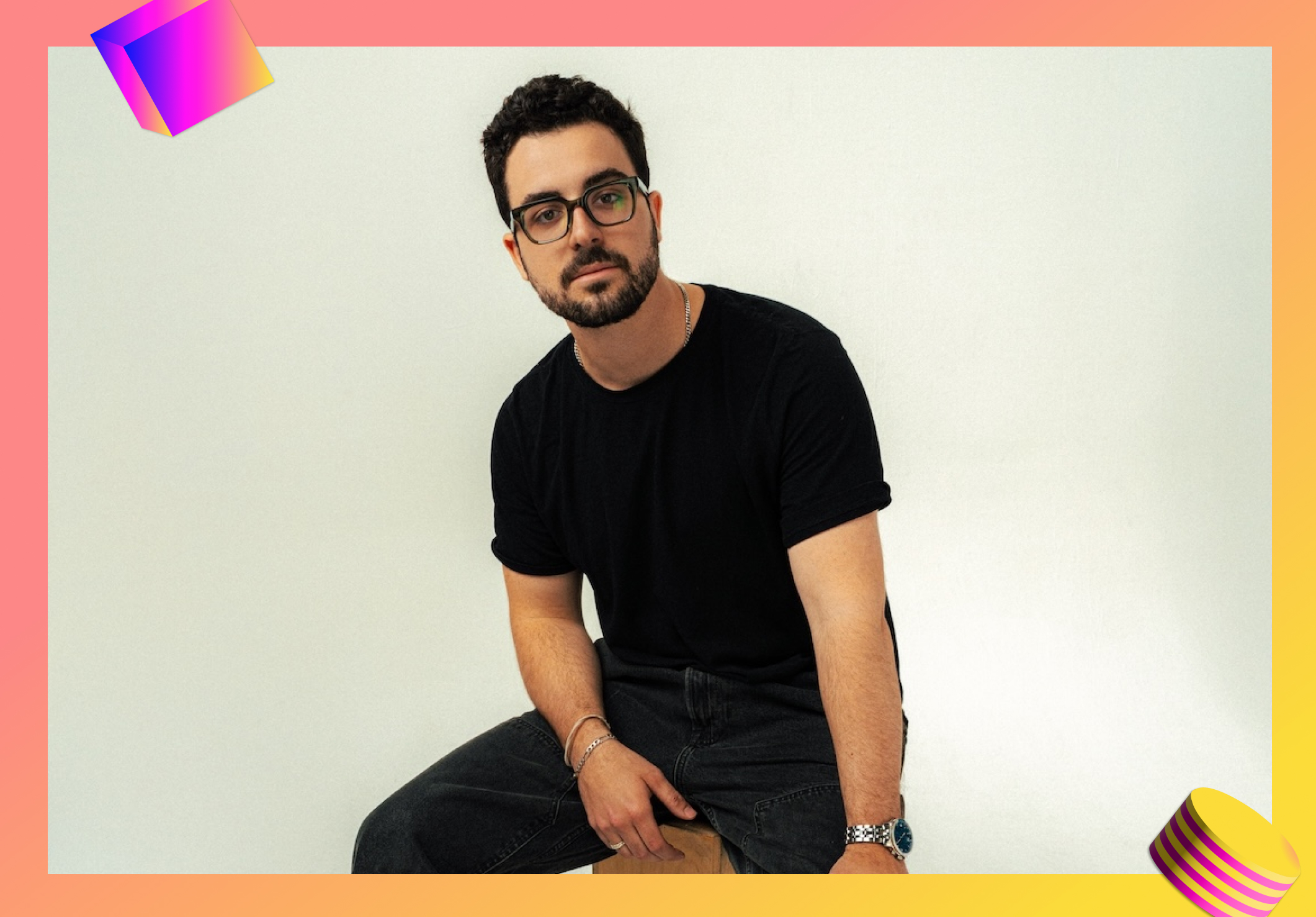
My ethos as a Director & Photographer is to captivate the viewer immediately with emotionally intelligent visuals. I aim to be intentional in every image or frame, hoping to compel the viewer enough to feel something.
I thrive under pressure, and in new environments. Where many other directors would want to stick to what they may be most comfortable with, I love a challenge and embrace pressure. It’s when I’m at my best.
When a viewer feels something, the return on the investment in the project comes naturally. I think my emphasis on advertising being the combination of art and business sets me apart from competing directors. This mantra allows me to see a project from not just a creative perspective, but a coherent business one as well.
What was your first job in the industry? What did it teach you?
I came out of film school and decided to take a more old-school route and full-time First Assisted for Stewart Cohen in Dallas, Texas for almost 3 years. I knew I wasn’t ready to go full freelance out of the gates, and I figured this would actually give me the ability to learn how someone can run their own business and not just have a creative passion.
This was an incredible experience with long hours and travel, and I wouldn’t of done it any other way. Stewart is one of the busiest photographers I’ve met, and those hundreds of shoot days each year I was with him gave me the reps I needed to go out on my own and move to New York City with limited connections or network.
In my limited spare time, I would camera operate on a variety of documentaries on the weekends, mostly directed by Thaddeus Matula.
Do you have any advice to other people in the industry based on your career or your team’s approach to work?
Treat this craft as an every day, 9 to 5 (or more) career. Even if things are slow, go out and shoot something for fun, or network and work on your portfolio and messaging. Consistency is what pays off. You have to really love this industry and craft for it to work out, because it’s just too much work day in and day out as a freelancer compared to other industries or professions.
That being said, live your life in the moment and put yourself in uncomfortable and new environments. These experiences are what challenge your mind and soul and ignite ideas to go out and create. Find ways to reinvest your hard earned money back into your ideas to craft your unique voice and vision. Write down your ideas, and just play around with an idea from start to finish before ruling it out.
I’ve never had a plan b, and I think that’s important in this industry. Don’t even consider quitting for the first year (if you can), and you will be surprised just how much that commitment to yourself does for not only your career but your self-confidence.
Complete this sentence: ‘Great video storytelling is…’
… about creating a connection strong enough that the viewer not only feels something, but is compelled to respond.
What initiatives or projects are you working on now that excite you?
I’m currently working on a number of exciting commercial campaigns in the New Year, as well as a documentary film about the prestigious Two-Michelin Star restaurant Aska and Chef Fredrik Berselius here in New York City.
What ProductionHUB Would Like To Know
Your work spans national campaigns, feature documentaries, and mission-driven storytelling. How do you find a cohesive visual identity that works across such different formats and client goals?
For me no matter the environment I find myself working in, it’s always rooted in emotion-first, dramatic storytelling. Whether that’s a fashion campaign or documentary film, my primary intention is to make the viewer feel something. If the viewer can quickly feel something from my images, moving or still, it drives the bottom line for brands and creates impact from films.
My style is striking, dramatic, and emotionally intelligent. If I am able to express my style properly, the return on investment for clients follows, since the viewer is compelled to engage with the brand or story.
Coming from a cinematography background, how does that foundation influence the way you direct talent and shape emotional beats on set?
I think it’s important for a director to have a technical skillset they practiced before becoming a director. Understanding the nuts and bolts of the technical side of the industry goes a long way on set with crew, and for crafting cohesive ideas that align with production budgets and scope.
A large part of directing talent is ensuring they feel comfortable and confident. When talent is able to feel heard, their best work comes out. My approach is always to listen first as a director, because I feel the best direction needs to be catered to the personality of the specific talent on set that day and in that moment.
I’m a very curious person, and I think that genuine curiosity about people creates a sense of trust on set.
You’ve led projects from concept through pre-production, production, and post. What do you think most filmmakers underestimate about truly carrying a project end-to-end?
I think filmmakers underestimate what the role of a director really means and entails on a project. As the director, you become the creative beacon that shapes and protects the project’s vision. You’re the only one who is with the project every step of the way, and you need to bring a tremendous amount of commitment to each of these steps.
I also think filmmakers underestimate the importance of trusting your collaborators. Sometimes filmmakers think that being the director means making all of the decisions and telling people what to do. Maybe that’s how you operate, but as you begin to progress in the industry, you’ll learn that there are simply people out there who are better than you at certain things and know more about them. Actually, a lot of people.
If you are hoping to be a director, it’s important to remember the amount of commitment and, most importantly, trust you need to have for your collaborators.
Your visuals are highly intentional but grounded in empathy. How do you create an environment, whether with real people or actors, that allows those authentic moments to unfold?
I always try to do a little research on whoever is on camera that day. Finding common ground is important for me. I’ve lived all over the country and traveled quite a bit, and I always find a way to relate to someone by listening first and giving them the ability to express themselves authentically. I treat directing as trying to make a new friend. If we can be friends, even just for that day, I’m sure we can work together and create an environment of trust.
It’s a privilege to capture someone in an image or film, and it’s important to understand the vulnerability that goes with that. Being a very curious person, I find that my genuine interest in others leads to trust and great teamwork.
For brands and agencies focused on resonance and performance, what production or creative decisions consistently move the needle in your experience?
I can have the greatest, most dramatic, super creative idea, but if it doesn’t drive a return on the investment in the production, what does it matter? We are in advertising, the combination of art and business. They need to go hand in hand.
That being said, I think the best way to drive a return on that investment is to make the viewer feel something. Viewers won’t ever remember a product or brand unless it compels them enough to. Viewers are inundated with so much content daily that I believe the best ads are the ones that stand out to the potential customer emotionally.
My work tries to capture the viewer immediately, with striking, intentional visuals. Making production and creative decisions that amplify that narrative, in my opinion, always move the needle on creating a successful campaign.