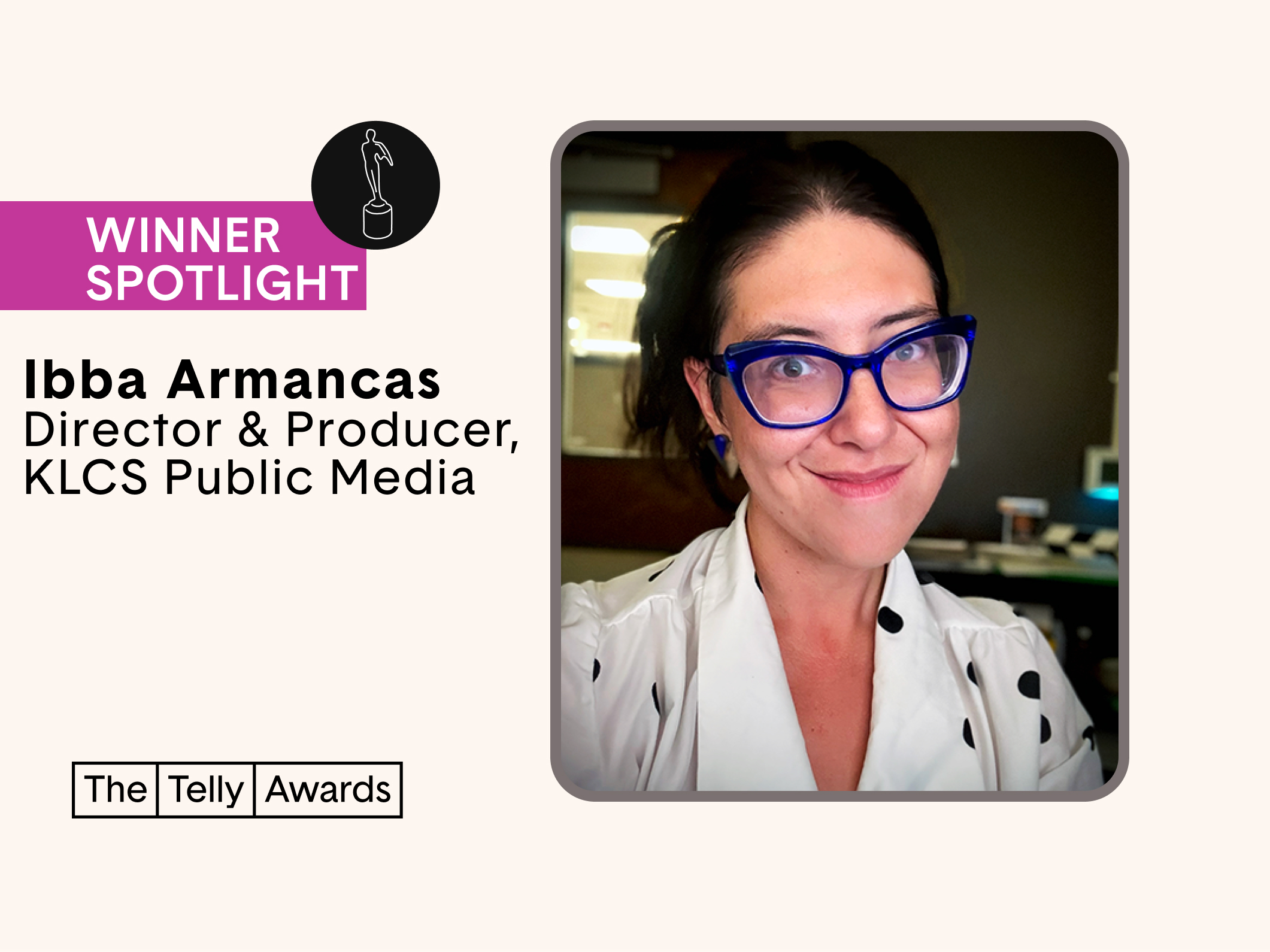
Tell us a bit about your organization and what your specialty is in the film and video space.
KLCS Public Media is an award-winning station with a focus on local educational content, and inspiring learners of all ages. Producing documentaries, tv shows, local spotlights, and more, we serve over 18 million people in the Los Angeles Designated Market Area.
What is your organization’s ethos and how does it set you apart from industry competitors?
KLCS Public Media holds a unique position in the educational media space as we are one of only three PBS member stations in the country whose lisense is held by a K-12 institution. As early as the 1950s, we were producing educational content for Los Angeles Unified School District, and by the time we became a PBS member station in 1972, we were already playing a vital role in Southern California’s educational and cultural media landscape by offering high-quality programming and inspiring learners of all ages.
Licensed to the second largest public educational institution in the country, KLCS team members work directly with teachers and in schools on a weekly basis. That unique partnership and access allows us to create content that, above all, is by and for all the learners of Los Angeles.
How can people join or learn more about what you do?
People can learn more about KLCS Public media and everything we do on our website.
Tell us about your Telly Award winning piece. What’s the story behind it?
Mentorship can be one of the biggest game changers in a young person’s life, and when I was first given the opportunity to develop a short series for Women’s History Month at KLCS, I wanted to create a project that gave students an opportunity to interact with history, rather than just reflecting on it. The idea became to find 5 female public school students interested in 5 different fields (science, film, medicine, law, community development) and pair them with professional local women at the tops of those fields; giving them a chance to spend a day with those women at their worksites, and learn directly from those that they one day aspired to become.
Billie Jean King once said, “if you can see it, you can be it”; TogetHER was created to let students know they’re not alone in their dreams and that success is possible. The best epilogue is real life; today, all five girls are in college, actively pursuing the paths they explored in the series. TogetHER represents how access, opportunity, and proximity can turn a dream into a plan.
What are you most proud of about this piece? What was your biggest challenge during production and how did you solve it?
With TogetHER, the thing I’m most proud of is that it happened at all.
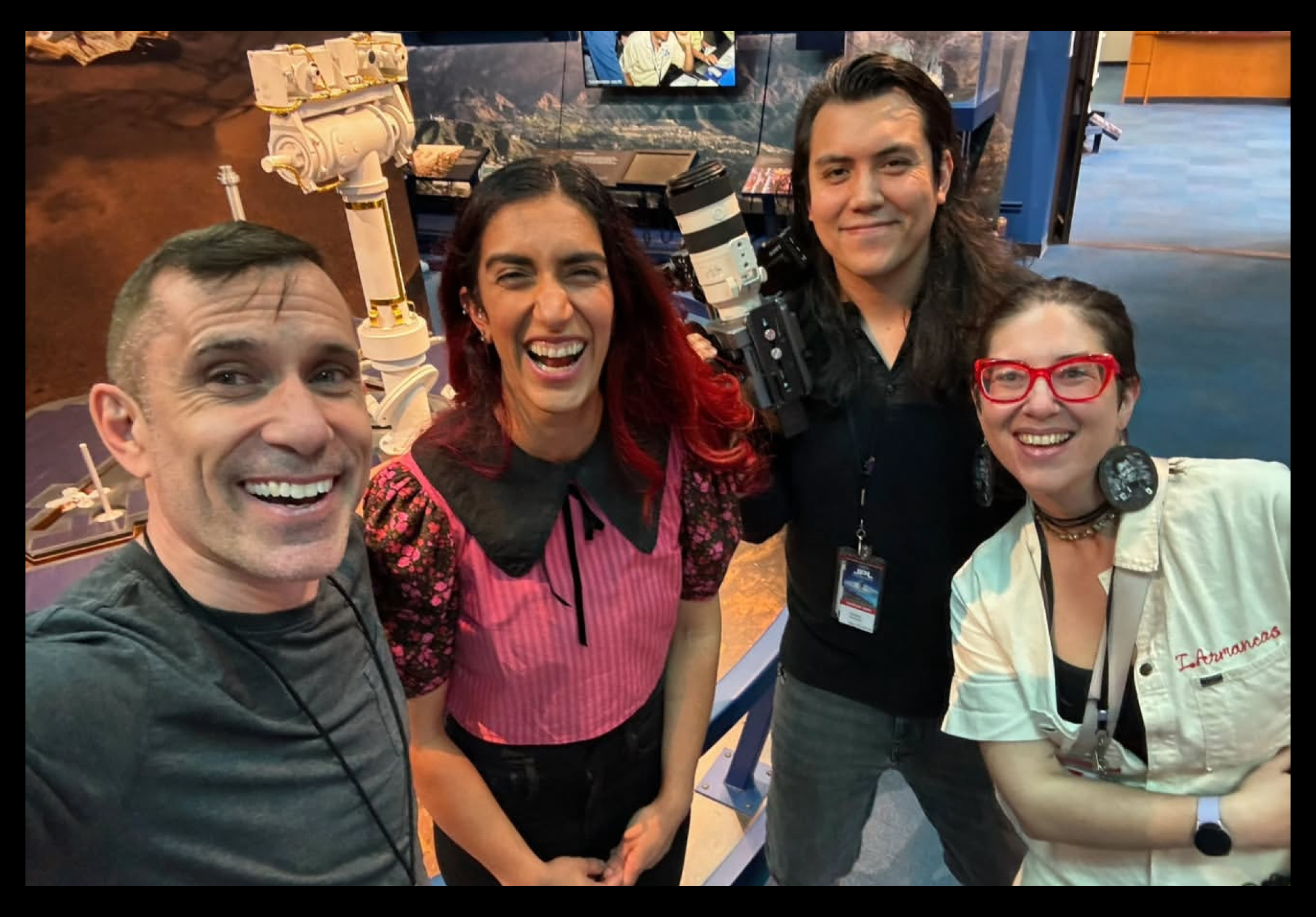
When I was first given the opportunity to develop the series, I was new to the station, not yet a director/producer, and the only woman in production. Our small team had to will the project into being: securing NASA JPL clearances, gaining entry to a Warner Bros writers’ room, coordinating with a 93-year-old civil-rights icon, and even finding a doctor and patient willing to film an on-camera eye injection. The scope felt impossible… until it wasn’t.
The challenge that stays with me most happened the night before our Warner Bros shoot. At 10 p.m., after days of legal back-and-forth with the studio, we received a call: a paperwork issue meant our student would be barred from set. It was crushing—especially because showrunner Sonay Hoffman (herself an LA public-school alum) had already covered non-refundable costs to make the day special, down to getting Julia’s name in lights. With the series airing in March and her show entering production the following week, we were out of time.
I called Sonay to explain and apologize, only to learn from her assistant that I would need to wait until 1am to talk but that I should nonetheless stay on the line. I was braced for the worst. Instead, in the middle of a work night, she listened, then modeled the exact mentorship the series celebrates. She refused to let a teen lose her shot over bureaucracy. She re-paid the fees and carved out a second shoot date in the middle of her own production. We got the footage—and a masterclass in what “if you can see it, you can be it” looks like in practice. That act of advocacy is the heartbeat of the project, and helped shape me into the director/producer I am today.
Do you have any advice to other filmmakers based on your career or your team’s approach to work?
When creating small or no-budget projects, making asks and forging community partnerships is everything. Know and articulate the ‘why’ of your project, reach out to organizations and individuals who have shown themselves to be aligned with those same ‘whys’, and make requests about the mission, not you.
TogetHER was a project with no budget, made possible only because the right people said “yes”. Without money or pre-existing connections, that sort of assistance is only possible if a filmmaker can make an appeal to something greater than themselves. Specificity is your currency; who does this help, how exactly, and what outcomes are you aiming for? Be honest about what you need, what you can offer, and how you’ll respect partners’ time. This is not a ‘one-and-done’ industry; your word and your name is often all that you have.
Remember to respect people’s “no”s, knowing that if you put in the work, and your ‘why’ is good, the “yes” you need will come.
Can you share a behind the scenes story or fun fact about the making of your piece?
Most of my favorite on-set moments made the final cut, but the wildest story happened during post production. We’d finished three of the five episodes, and I was deflated, as I’d had to cut one of my favorite beats from the Dolores Huerta segment. That night, our team was invited to a TogetHer mentor’s home for a celebratory screening by her husband. He’d gone all-out and after we arrived, asked me to “meet his friend Zack, who also makes films.”
Zach and I chatted about the series, he offered thoughtful notes, and, after the day I’d had, I vented about having had to make cuts that, to me, dulled the story. He agreed on a few points, then gave grounded advice about taking unwelcome notes with grace and protecting the core of the piece. When I asked his wife for their last name to swap contact info, she smiled: “Snyder.” I joked, “Like the director?” She nodded. “Yes—Zack Snyder. He directs. You know, 300, Watchmen, Batman vs Superman….” Cue my immediate melt into the floor.
Mortification aside, I’m grateful. Getting perspective on edits from the guy who made “The Director’s Cut” famous was exactly what I needed.
Tell us about the most memorable response you got from this work.
So many kudos on this work were gratifying —notes from NASA, a shout-out from Warner Bros., even a kind word from civil rights icon Dolores Huerta and directorial titan Zach Snyder — but the responses that will stay with me most came from the students we featured. Julia, who interviewed showrunner Sonay Hoffman, told me she hadn’t believed film was a viable path given her background; after the project, she applied and was accepted to film school. Destiny had convinced herself science wasn’t for her; meeting Farah at NASA reframed what was possible—she’s now studying chemical engineering and says she’s learned to talk back to the bullies who once kept her quiet. Karen grew up idolizing Dolores Huerta; after the spot, she wrote to say the experience helped her focus her voice—then emailed again to share she’d been accepted to Yale.
Watching all five girls see themselves—teary, thrilled, “like movie stars”—was the kind of honest, unscripted reaction every filmmaker hopes for. Those messages about changed plans, louder voices, and new futures were the most meaningful feedback I could imagine.
Complete this sentence: ‘Great video storytelling is…’
… capturing the familiar and ordinary in a way that helps viewers rediscover how extraordinary it can be.